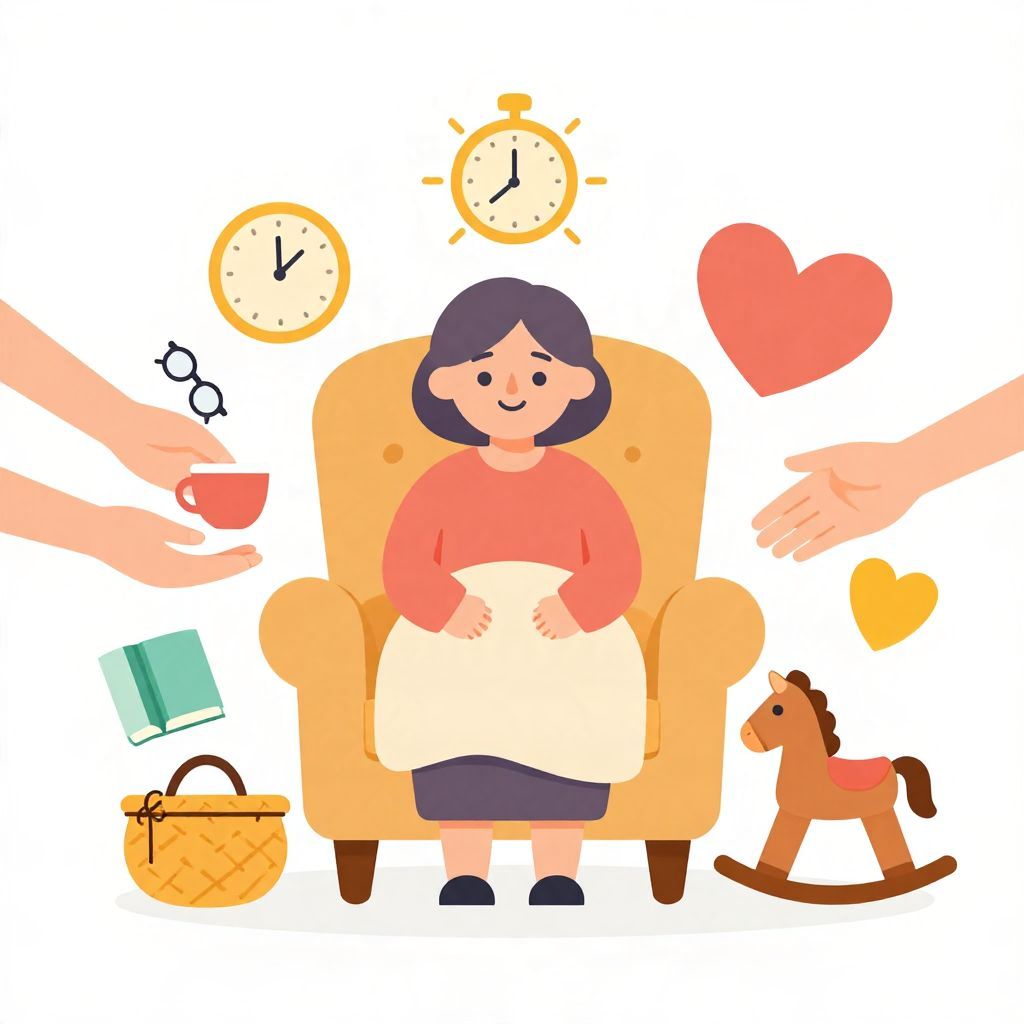
If you’re looking for a gentle, funny book to share with a child, How to Babysit a Grandma is a charming choice. It turns the familiar babysitting role upside down, inviting readers to imagine a child “caring for” a grandmother through playful, affectionate scenes.
This guide explains the book’s premise, themes, visual style, and why it works so well for read-aloud time. It also offers practical tips for parents, teachers, and gift-givers who want to use the story as a springboard for conversation and pretend play.
What is How to Babysit a Grandma about?
How to Babysit a Grandma is a picture book built around a playful role reversal: a child imagines spending time with Grandma as if Grandma were the one being babysat. The result is a warm, humorous story about intergenerational love, routine, and imaginative care, with simple text and lively illustrations that make it ideal for young readers.
How does the book work as a read-aloud?
The book is especially effective aloud because its structure is easy to follow and its humor lands quickly. Each scene feels like a small activity or “instruction,” which gives adults natural pauses for expression, questions, and shared laughter.
Why children respond to it
- Clear, repetitive structure helps young listeners anticipate what comes next.
- Role reversal is funny and easy to understand.
- Everyday activities make the story relatable, from snacks to games to bedtime routines.
- Affectionate tone keeps the humor gentle rather than silly for its own sake.
Why adults like reading it aloud
Adults often enjoy the book because it invites performance without requiring complicated voices or pacing. The tone is tender, and the humor comes from the loving exaggeration of what it means to “take care” of someone older.
Step-by-step guide to “babysitting” a grandma
One reason the book is so memorable is that it can be turned into a real-life game. If you want to extend the story after reading, use its spirit as a simple activity guide rather than a strict set of rules.
- Start with a welcome. Greet Grandma warmly and help her get comfortable.
- Choose a calm activity. Pick something easy to do together, like drawing, reading, or a board game.
- Offer a snack or drink. The book’s domestic details make everyday care feel special.
- Make room for rest. Quiet time is part of the joke and part of the affection.
- End with a goodbye ritual. A wave, hug, or promise to visit again gives the story a satisfying close.
For children, this “guide” is less about responsibility and more about empathy. It encourages them to think about what makes another person feel safe, included, and happy.
What themes does the book explore?
Although the story is lighthearted, it carries several meaningful themes. These are presented simply enough for young children, but they also give adults something richer to notice.
Intergenerational affection
The book celebrates the bond between children and grandparents. Rather than presenting Grandma as distant or mysterious, it shows her as playful, familiar, and emotionally available.
Care as a shared activity
“Babysitting” here is not about authority. It becomes a way to practice kindness, attention, and companionship, which makes the story feel both funny and emotionally warm.
Imagination in ordinary life
The book transforms everyday routines into pretend play. That imaginative frame is a big part of its appeal, especially for preschool and early elementary readers.
Who are the characters?
The cast is small, which is typical of successful picture books for young children. That simplicity keeps the focus on the relationship rather than on a complicated plot.
The child narrator or focal child
The child’s perspective drives the story. Readers experience Grandma through the child’s eyes, which makes the book feel intimate and playful.
Grandma
Grandma is affectionate, active, and a little unpredictable in the best way. She is not portrayed as frail or passive; instead, she becomes a lively partner in the game of babysitting.
What makes the illustrations important?
In picture books, the art does as much storytelling as the words. In How to Babysit a Grandma, the illustrations help establish mood, pacing, and humor, often adding details that expand the text.
Readers should pay attention to facial expressions, body language, and the visual clutter of domestic life. These details reinforce the book’s warmth and make the relationship feel lived-in rather than symbolic.
Visual storytelling techniques to notice
- Exaggerated expressions that amplify the comedy.
- Domestic settings that make the story feel familiar.
- Sequential scenes that mimic the steps of a routine.
- Gentle visual humor that rewards close looking.
Practical tips for reading the book with a child
If you’re using How to Babysit a Grandma at home, in a classroom, or as a gift book, a little preparation can make the experience even better. The story is flexible enough for a quick bedtime read or a longer interactive session.
Before reading
- Ask the child what they think a babysitter does.
- Talk briefly about grandparents and family routines.
- Invite the child to predict what “babysitting Grandma” might look like.
During reading
- Pause to let children describe what they see in the pictures.
- Emphasize repeated phrases or actions for rhythm.
- Encourage laughter at the role reversal without overexplaining the joke.
After reading
- Ask the child to plan a pretend visit with Grandma.
- Have them draw a picture of an activity they would do together.
- Compare the story’s version of “babysitting” with real ways people care for one another.
What age group is it best for?
The book is generally best suited to preschool and early elementary readers, especially children who enjoy picture books with repetition and gentle humor. Its language is simple, but the emotional appeal stretches beyond the youngest audience because the family relationship is so recognizable.
It also works well for children who are beginning to understand that grown-ups can be playful, and that older relatives can be active participants in imaginative games.
How does it compare with similar picture books?
If you like this book, you may also enjoy other family-centered picture books that use humor and affectionate role reversal. What sets How to Babysit a Grandma apart is its very specific premise: it treats grandparent-grandchild time as both practical and magical.
What readers may appreciate in similar books
- Books about grandparents that emphasize closeness and routine.
- Stories with repetitive text for early readers.
- Picture books with cozy domestic settings and a light comic touch.
If your child enjoys this one, they may also like picture books that celebrate caregiving, family visits, or imaginative instructions for everyday life.
Why the book endures
How to Babysit a Grandma remains appealing because it is both simple and emotionally precise. It captures a real experience many children know: spending time with a grandparent who is loving, funny, and full of small rituals that become part of family memory.
That combination of humor, tenderness, and repeatable structure gives the book lasting value. It is easy to read once, but even better when revisited, because children often notice new details in the pictures and begin to make their own version of the game.
Final takeaway
If you want a picture book that is playful, comforting, and easy to share, How to Babysit a Grandma is a strong choice. Its charm lies in turning ordinary family time into a joyful act of imagination, making it especially useful for read-alouds, gift giving, and conversations about love across generations.
For readers interested in more practical and character-driven book-related pieces, you might also enjoy How to Keep House While Drowning audiobook and How to Treat a Lady Knight Right.