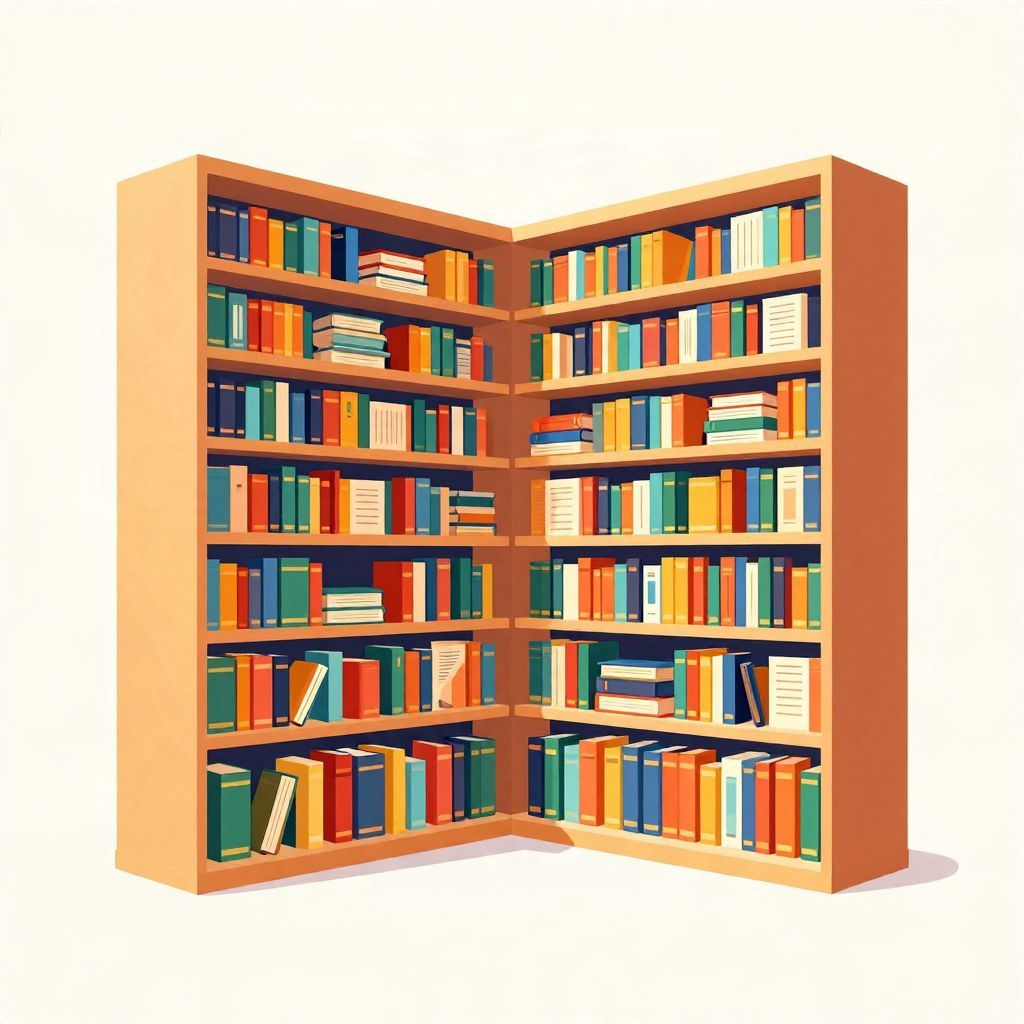
If you’re wondering how many books make a library, the short answer is that there is no single universal number. In everyday use, a library can be as small as a carefully chosen shelf or as large as a public institution with thousands of volumes.
The real answer depends on context: personal collection, school setting, public library standards, or even the symbolic idea of a library in literature. What matters most is not just quantity, but organization, access, and purpose.
How many books are considered a library?
A collection becomes a library when it is intentionally gathered, arranged, and used for reading, study, or reference. There is no fixed minimum number of books, though some contexts may use practical thresholds; in literature and everyday speech, even a modest, organized collection can qualify as a library.
What counts as a library in practice?
The word library describes both a physical place and a curated collection. That means the label depends less on a strict count and more on how the books are selected, stored, and made available.
Common real-world uses of the word
- Personal library: A home collection of books, often organized by genre, author, or subject.
- School or classroom library: A reading collection meant for students and teachers.
- Public library: A community institution that lends books and other media.
- Special library: A focused collection for a workplace, museum, archive, or research center.
In each case, the books serve a purpose beyond simple ownership. A stack of unread novels is not usually called a library, but a well-arranged shelf of reference books might be.
Is there an official minimum number of books?
In most everyday and literary contexts, no official minimum exists. Some institutions or programs may set their own standards, but those are local or administrative definitions rather than a universal rule.
That flexibility is why the phrase can be used so broadly. A child’s reading corner, a scholar’s study, and a city branch all fit under the same umbrella, even though their sizes differ dramatically.
Why no fixed number exists
- Libraries vary by purpose and audience.
- Some are built for lending, others for preservation or research.
- Digital collections complicate any simple book-count rule.
- The term has historical and symbolic uses as well as practical ones.
How many books does it take to make a library at home?
For a home setting, even a small collection can be considered a library if it is intentionally maintained and used for reading or reference. Some people think of 50 books as a personal library, while others use the term for a few shelves or even one dedicated bookcase.
The better question is whether the collection feels curated. If you can browse it, return to it, and rely on it, it functions like a library regardless of exact size.
Signs a home collection feels like a library
- Books are organized in a consistent way.
- The collection reflects a purpose, such as study, pleasure, or research.
- Titles are accessible rather than boxed away.
- The books are regularly used, not just stored.
How the idea of a library appears in literature
In books and stories, a library often symbolizes memory, knowledge, power, or discovery. Writers use the image of a library to suggest a world of ideas, hidden histories, or the human desire to preserve what matters.
Because of that symbolic weight, the exact number of books is usually less important than the meaning attached to the collection. A small library in fiction can feel vast if it represents learning, inheritance, or secrecy.
Common literary meanings of a library
- Knowledge: A place where information is stored and recovered.
- Order: A system for organizing thought and memory.
- Identity: A reflection of a character’s interests, class, or values.
- Possibility: A space where new worlds and ideas can be discovered.
Why the question matters to readers and book lovers
People ask how many books count as a library because the word carries both practical and emotional meaning. It can describe a public service, a private passion, or a lifelong reading habit.
For book lovers, the question is often really about legitimacy: when does a collection stop being “just books” and become something more meaningful? The answer is usually personal, but the common thread is care. A library is a collection that has been chosen, arranged, and valued.
Quick guide: choosing the right definition for your situation
If you need a simple rule of thumb, use the context to decide what “library” means. The same word can refer to very different collections depending on where and how it is used.
- For everyday speech: Any organized book collection may count.
- For a home: A dedicated, usable collection often qualifies.
- For school or work: Follow the institution’s own standards.
- For literature analysis: Focus on the library’s symbolic role, not the exact number of books.
Final answer: how many books are considered a library?
There is no universal number of books required to be considered a library. In practice, a library is defined by purpose, organization, and use more than by a strict count, whether it holds ten books, one hundred, or many thousands.
If you’re interested in related reading questions and definitions, you may also want to explore how many books are required to be considered a library and how many books it takes to make a library.