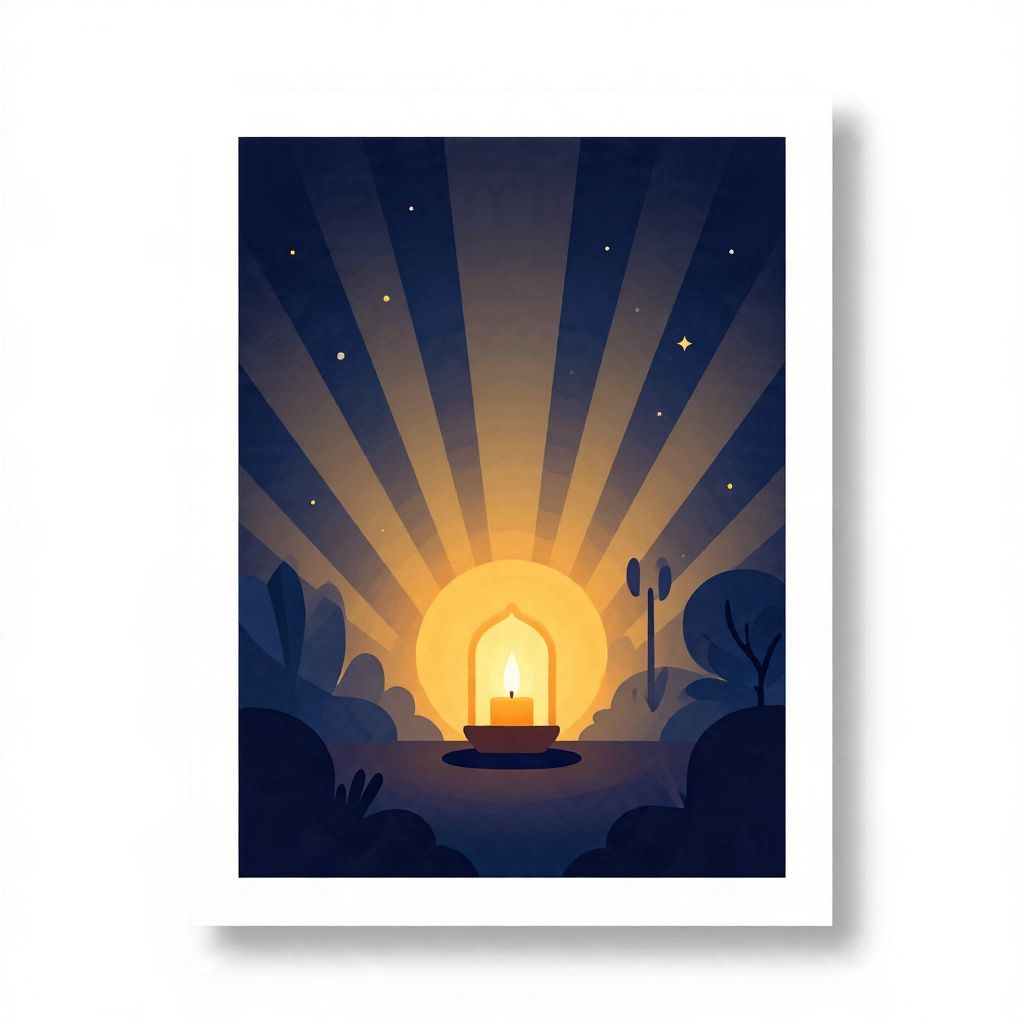
If you’re searching for Happiness Can Be Found In The Darkest Of Times, you may be looking for a book, a quote, or a story-shaped idea about resilience. In literary terms, the phrase points to a familiar but powerful theme: the possibility of joy, meaning, or human connection even under pressure, grief, or fear.
This article explores that idea as a reading topic, explaining how it works in literature, why it resonates, and what readers can look for when a book centers on hope in difficult circumstances.
What does “Happiness Can Be Found In The Darkest Of Times” mean in literature?
The phrase suggests that happiness is not the absence of suffering, but something discovered within it: through love, memory, courage, friendship, or moral choice. In books, this theme often appears in war stories, coming-of-age novels, memoirs, and literary fiction about loss, where small acts of tenderness become emotionally significant.
Why this idea matters to readers
Readers are often drawn to stories like this because they offer more than comfort. They show how people endure uncertainty without denying pain, which can make the emotional payoff feel earned rather than sentimental.
A theme with wide literary reach
“Happiness in the darkest times” is not tied to one single genre. It can appear in children’s literature, historical fiction, fantasy, and realist novels, though each form treats the idea differently.
- In historical fiction, it may emerge through survival, solidarity, or hope during war and exile.
- In fantasy, it may be linked to moral resistance, friendship, or the struggle against overwhelming darkness.
- In memoir, it often appears as a hard-won insight about endurance and perspective.
- In literary fiction, it may be quieter, showing up in ordinary routines, memory, or relationships.
How books develop hope without ignoring suffering
Good writing on this theme usually avoids easy answers. Instead of claiming that pain disappears, it shows how people keep going, sometimes by choosing kindness, sometimes by remembering what matters, and sometimes simply by refusing despair.
Common narrative strategies
- Contrast: placing moments of warmth beside scenes of loss or danger.
- Symbolism: using light, shelter, food, music, or nature as signs of renewal.
- Interior narration: revealing how a character’s private thoughts change over time.
- Small-scale victories: emphasizing modest acts rather than dramatic triumphs.
Why small moments matter
In many novels, the most moving signs of happiness are not grand celebrations. They are brief and fragile: a shared meal, a remembered song, a trusted conversation, or a moment of safety that feels hard-won.
What themes usually appear in books about finding happiness in darkness?
Although each work is different, several recurring themes tend to shape this kind of story. These themes help explain why the idea remains so emotionally durable across literary history.
1. Resilience
Resilience is the ability to continue despite hardship. Literature often presents it not as heroic invulnerability, but as persistence mixed with fear, doubt, and exhaustion.
2. Human connection
Many stories suggest that happiness becomes possible through other people. Friendship, family, mentorship, and community often provide the emotional structure that helps characters survive.
3. Memory and meaning
When the present is painful, memory can preserve identity. Characters may hold onto earlier joy, or reinterpret their past, to understand who they are and what still matters.
4. Moral courage
Some books frame happiness as inseparable from ethical action. A character may find peace not because the world improves, but because they choose compassion, honesty, or sacrifice.
5. The limits of despair
Literature often explores the tension between hopelessness and endurance. The darkest settings make even a small moment of hope feel significant, because it resists emotional collapse.
Literary techniques that bring the theme to life
Writers use craft to make this idea feel believable rather than abstract. The effect depends on tone, imagery, pacing, and point of view.
Imagery and light/dark symbolism
One of the most common techniques is the contrast between darkness and light. Darkness may stand for fear, grief, ignorance, or oppression, while light can suggest insight, warmth, or survival. The best writers use this symbol carefully, so it feels layered rather than simplistic.
Characterization through pressure
Hardship reveals character. A person’s response to loss, danger, or loneliness often tells the reader more than dialogue or description alone.
Tone that balances sorrow and hope
Books on this theme often move between melancholy and tenderness. That tonal balance allows the reader to feel the weight of suffering without losing sight of the possibility of renewal.
Motifs of ordinary life
Repeated images of food, shelter, weather, letters, music, or shared rituals can anchor a story emotionally. These motifs remind readers that happiness is sometimes found in ordinary habits, not extraordinary events.
Who might enjoy books with this theme?
Readers who appreciate emotionally rich stories, morally serious fiction, or books about endurance will likely respond to this kind of narrative. It is especially appealing to anyone who wants literature that acknowledges pain while still offering a reason to keep reading.
- Readers of historical fiction about survival and resistance
- Fans of character-driven novels with emotional depth
- Students studying theme, symbolism, and tone
- Readers looking for hopeful books without easy sentimentality
How to read a book centered on hope in hard times
If you are approaching a novel or memoir with this theme, it helps to read for both plot and pattern. Notice what the author repeats, what the characters protect, and what changes in their understanding of happiness over time.
Questions to ask while reading
- What does happiness look like in this story: safety, love, freedom, memory, or something else?
- What forces threaten that happiness?
- Which moments feel small but emotionally important?
- Does the book treat hope as realistic, fragile, or hard-won?
- How do setting and imagery shape the emotional atmosphere?
How this theme differs from simple optimism
There is an important difference between optimism and the literary idea behind this phrase. Optimism assumes things will improve; literature about happiness in darkness often says something subtler: even when circumstances remain painful, people can still create meaning, dignity, or connection.
That distinction is what gives the theme its staying power. It does not deny suffering, but it refuses to let suffering have the final word.
Why the phrase resonates so strongly
The phrase endures because it fits a universal human experience. Most people encounter periods of uncertainty, grief, or fear, and literature helps translate those feelings into shape and language.
When a book shows happiness surviving in difficult conditions, it can feel both realistic and restorative. The emotional truth lies not in pretending everything is fine, but in showing that joy can still arrive, briefly and meaningfully, in the midst of pain.
Final thoughts
Happiness Can Be Found In The Darkest Of Times captures one of literature’s most enduring ideas: that hope is not naive when it is tested, and that even in suffering, people can still love, remember, endure, and begin again. If you are drawn to books that balance sorrow with resilience, this theme offers a rich and rewarding way to read.
For more reading in a similar emotional and literary vein, you may also enjoy How Not to Die Alone and How Do You Live?.