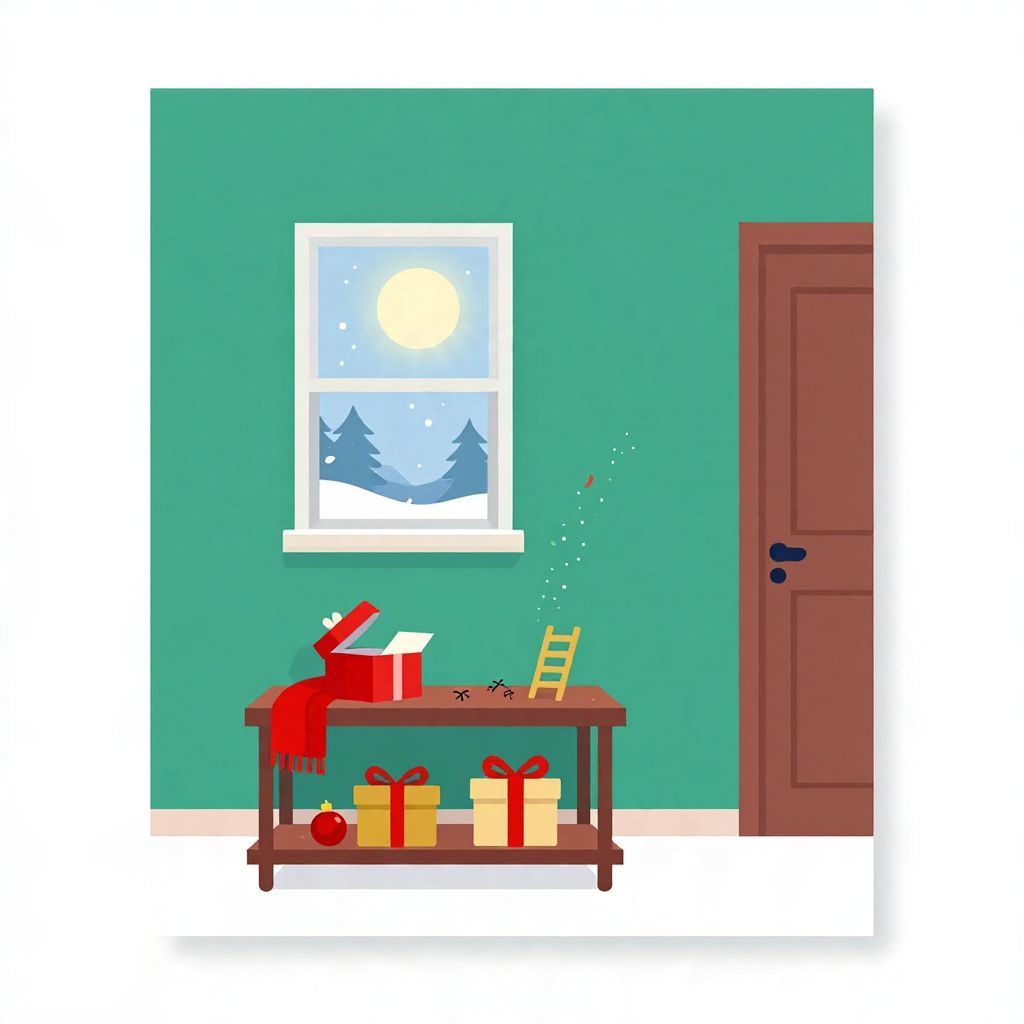
If you’re wondering when does the Elf on the Shelf leave, the short answer is that the tradition usually ends on Christmas Eve, when the elf returns to the North Pole with Santa. That timing fits the storybook premise and the common family routine built around it, though households can adjust the custom to suit their own holiday schedule.
For many readers and parents, the question is less about a strict rule and more about how the Elf on the Shelf story works as a seasonal ritual. Below, you’ll find the standard explanation, the logic behind the tradition, and a few practical details that help make sense of the elf’s departure.
When does the Elf on the Shelf leave?
The Elf on the Shelf typically leaves on Christmas Eve, after the holiday season has reached its peak and before Christmas morning begins. In the tradition tied to the picture book, the elf reports back to Santa at the North Pole, which is why many families treat Christmas Eve as the final day the elf is “on duty.”
How the tradition explains the elf’s departure
The Elf on the Shelf concept is built around a simple narrative idea: the elf watches over the household during Advent and then returns to Santa with information about the child’s behavior. That story framework gives the elf a clear beginning and ending, and the ending is usually associated with Christmas Eve because it marks the close of the waiting period before Christmas Day.
The storybook logic
Within the tradition, the elf is not meant to stay year-round. Its role is seasonal, tied to the anticipation of Christmas, so leaving at the end of the holiday makes narrative sense. The departure is part of the ritual’s structure, much like how a chapter ends after the story’s central action has finished.
Why Christmas Eve is the usual date
Christmas Eve is often chosen because it feels like the final moment of the holiday buildup. Once gifts are prepared and Christmas morning is about to begin, the elf’s job is complete, and the return to the North Pole becomes part of the family’s celebration of the season’s end.
Is there an official rule for when the elf leaves?
There is a widely followed custom, but families do not all follow the exact same schedule. The tradition is flexible in practice, so while Christmas Eve is the most common departure day, some households may have the elf leave earlier or later depending on their own holiday routines.
Common family variations
- Christmas Eve departure: the most traditional and widely recognized choice.
- Christmas Day departure: some families let the elf stay through Christmas morning.
- Early departure: a few households end the tradition before Christmas Eve if their holiday schedule is shorter.
- Extended stay: some families keep the elf around for a few extra days as part of a relaxed seasonal routine.
These variations do not change the basic idea of the tradition. They simply show that the elf’s departure is a family choice rather than a fixed literary law.
What the elf’s departure means in the story
The elf leaving is more than a practical ending; it also gives the tradition a sense of closure. In narrative terms, the departure functions like a resolution, signaling that the waiting, watching, and festive mischief have reached their conclusion for the year.
A symbol of the holiday’s end
The elf’s return to the North Pole can be read as a symbol of transition. It marks the shift from anticipation to celebration, and then from celebration back to ordinary time. That movement helps explain why the tradition feels complete only when the elf has gone.
Why children often care about the timing
For children, the elf’s departure can feel like the final scene in a holiday story. Knowing when the elf leaves helps make the ritual predictable, which can be comforting, especially because the tradition depends on repeated seasonal patterns.
How the book and the tradition work together
The Elf on the Shelf is not just a toy; it is a story-based holiday custom. The picture book gives the elf a narrative role, and the family tradition extends that role into daily life during the Christmas season.
Storytelling and ritual
This is one reason the question “When does the Elf on the Shelf leave?” matters so much. The answer is tied to both the text’s premise and the lived ritual around it. The book provides the framework, while families create the day-to-day performance of the idea.
Why the tradition feels literary
Even though it is a holiday practice rather than a classic novel, the Elf on the Shelf tradition uses familiar literary elements: a recurring character, a seasonal setting, a clear beginning and ending, and a repeated plot pattern that children come to recognize each year.
Practical ways families handle the elf’s final day
Because the elf’s departure is part of the fun, many families make it a small event. The exact method is up to the household, but the goal is usually to create a gentle, memorable ending to the season.
Simple farewell ideas
- Place the elf near the Christmas tree for a final goodbye.
- Have the elf “fly” back to the North Pole on Christmas Eve night.
- Leave a short note from the elf thanking the family for the season.
- Pack the elf away with the holiday decorations after Christmas.
These small rituals help children understand that the elf’s work is finished for the year. They also make the transition away from the holiday feel intentional rather than abrupt.
What if your family wants a different schedule?
There is no literary requirement that every household follow the same date. If Christmas Eve does not fit your plans, you can adapt the tradition without losing its meaning. The important part is consistency within your own family’s version of the story.
Questions to consider
- Do you want the elf to leave before Christmas morning or after it?
- Will the elf’s departure be quiet or part of a larger family ritual?
- Do you want to explain the ending as a return to Santa, or simply as the close of the season?
Answering those questions can help you decide what works best. The tradition is strongest when it feels coherent to the children who participate in it.
Why this question keeps coming up each year
People search for when does the Elf on the Shelf leave because the tradition has become a recurring part of modern holiday culture. Since the elf appears for a limited time, families naturally want to know when the final day arrives and how to handle it gracefully.
A seasonal question with a simple answer
In most cases, the answer remains the same: the elf leaves on Christmas Eve. That date fits the story, the rhythm of the holiday, and the emotional shape of the tradition. Still, the custom remains flexible enough for families to personalize it.
Key takeaway
The Elf on the Shelf usually leaves on Christmas Eve, returning to the North Pole after the holiday season’s buildup is complete. That said, the tradition is family-led, so the exact timing can be adjusted as long as it makes sense within your own version of the story.
For more holiday reading and related explanations, you may also want to visit this guide to when the Elf on the Shelf leaves.