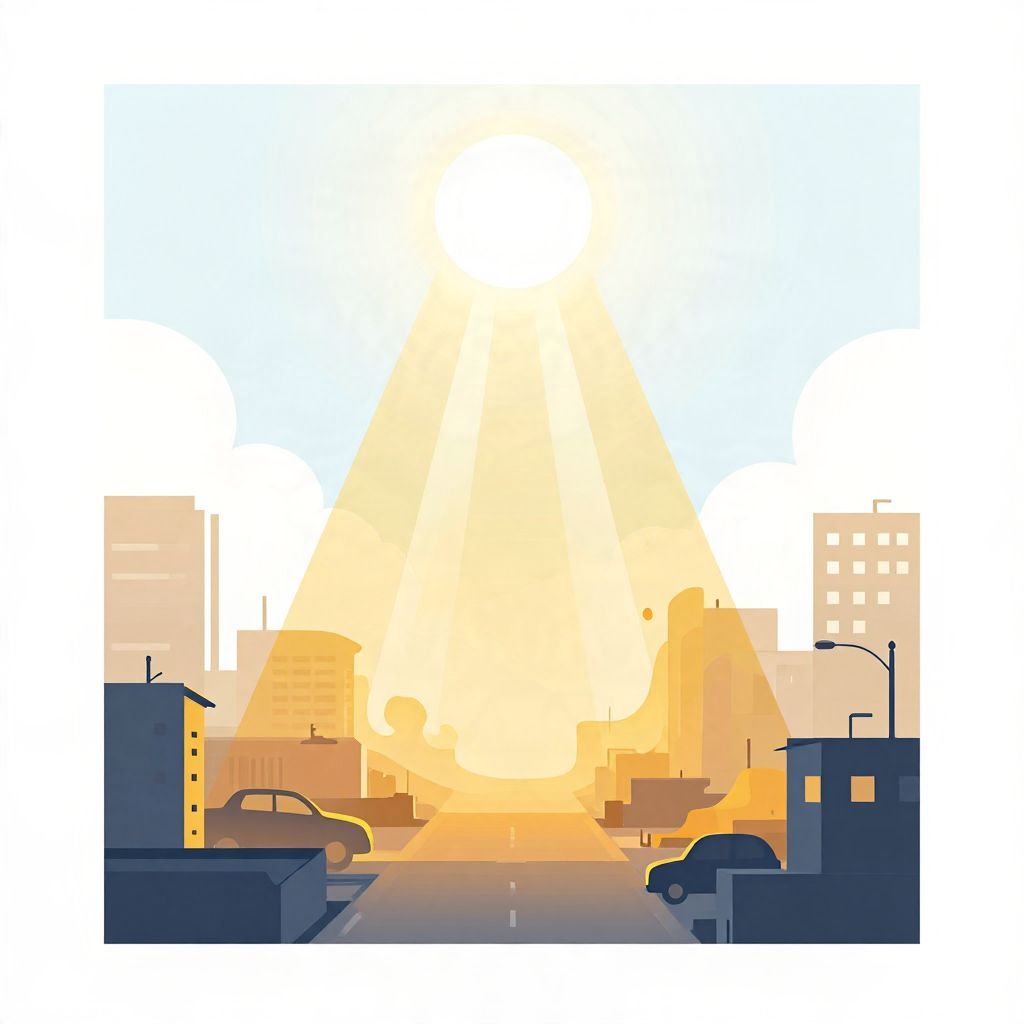
Curious about SCP-001 “When Day Breaks” and why it has become one of the most unsettling ideas associated with the SCP Foundation? This entry is less a conventional book than a memorable piece of collaborative horror fiction, built around a catastrophic premise that has inspired analysis, fan discussion, and countless interpretations.
Below is a clear summary of the concept, its themes, and why it stands out as a modern example of internet-born horror. If you are looking for plot, symbolism, and a thoughtful review of its impact, this guide will help.
What is SCP-001 “When Day Breaks”?
SCP-001 “When Day Breaks” is a widely discussed SCP Foundation tale about a world-ending event in which sunlight becomes lethally transformative. Rather than functioning like a traditional novel, it is part of the SCP collaborative fiction universe, where the horror comes from a single apocalyptic premise and the bleak consequences that follow.
What happens in When Day Breaks?
The core idea is simple and horrifying: exposure to sunlight causes living beings to undergo a grotesque transformation into a melted, fused, and unstable mass. The story imagines a world where daytime itself becomes dangerous, forcing survivors into underground shelters and creating a nightmare version of ordinary life.
The basic premise
In most interpretations of the tale, the catastrophe has already happened. Humanity is left hiding from the sun, while the transformed victims remain active in a disturbing, altered state that blurs the line between life, death, and suffering.
Why the premise is so effective
The horror works because it turns something universal and life-giving into a threat. Sunlight is usually associated with safety, warmth, and visibility, so making it lethal creates immediate psychological unease.
Why does SCP-001 When Day Breaks feel so disturbing?
The story is effective not because of elaborate lore alone, but because it attacks a basic human assumption: that the world’s natural order can be trusted. By corrupting daylight, it creates a setting where even the most familiar rhythms of life become impossible.
Body horror and loss of identity
One of the strongest elements is body horror. The transformed figures are not simply dead; they are altered into something that still resembles life, which makes the imagery especially disturbing. The result is a horror of identity as much as of physical destruction.
Isolation as a theme
Survival in this scenario depends on confinement. That makes the story deeply claustrophobic, since the outside world is not just dangerous but fundamentally uninhabitable during the day.
Major themes in SCP-001 When Day Breaks
Although the SCP format is not a traditional literary novel, the tale still carries recognizable themes that reward close reading. Its power comes from how it combines apocalypse, symbolism, and existential dread.
1. The corruption of the ordinary
The story transforms daylight from a symbol of clarity into a source of horror. This reversal is central to its emotional impact, because it destroys the reader’s sense of stability.
2. Human fragility
The premise suggests that civilization depends on conditions we rarely question. Once those conditions collapse, human beings are exposed as physically and psychologically vulnerable.
3. Survival without comfort
There is little room for heroic triumph. Instead, the story emphasizes endurance, adaptation, and the grim routines of living in a world that no longer supports normal existence.
4. The uncanny persistence of life
The transformed victims are unsettling because they remain present. This creates a kind of moral and visual ambiguity: the horror is not only that people are lost, but that something of them seems to continue.
How does the SCP format shape the story?
The SCP Foundation is a collaborative fiction project built around pseudo-documentary reports, containment logs, and anomalous case files. That format gives When Day Breaks an especially eerie tone, because the writing often feels clinical even when describing impossible events.
Documentary style and dread
Instead of building fear through elaborate character development, the SCP style often uses detached reporting. That distance can make the horror feel more credible, as if the reader is encountering classified evidence rather than a conventional ghost story.
Fragmented worldbuilding
Because SCP fiction is collaborative, readers often piece together the setting from scattered references. This fragmentary approach suits a story about collapse, since the world itself has been broken into survival notes, warnings, and remnants.
Are there characters in When Day Breaks?
There are usually no central novel-style protagonists in the way readers might expect from a mainstream horror book. Instead, the story is often experienced through survivors, observers, and institutional records rather than a single sustained character arc.
What this means for readers
This structure shifts attention away from personal backstory and toward atmosphere. The result is less about following one hero and more about imagining how any person would respond to a world where daylight itself has become hostile.
Symbols and literary techniques
Even without a traditional novel structure, SCP-001 “When Day Breaks” uses several recognizable literary techniques that help explain its lasting appeal.
Symbolism
Sunlight functions as the story’s central symbol. It represents ordinary life, but also exposure, vulnerability, and the failure of nature to remain benevolent.
Irony
The title itself is ironic. Daybreak usually signals renewal, but here it marks danger. That inversion gives the work its identity and makes the title memorable on its own.
Contrast
The story depends on contrast between what should be safe and what is not. Day versus night, warmth versus threat, visibility versus concealment: each pair is turned against expectation.
How should readers interpret the story?
There is no single official “meaning” that settles every reading. Still, the tale can be understood as a meditation on vulnerability, environmental collapse, and the terror of losing the ordinary structures that make human life feel secure.
A literal reading
On the surface, it is an apocalyptic horror scenario about a supernatural event that makes sunlight lethal.
A symbolic reading
More broadly, it can be read as a story about how quickly a civilization’s assumptions can fail. The horror lies not only in the event itself, but in the realization that the world can become unrecognizable overnight.
Why has SCP-001 When Day Breaks become so popular?
The tale has spread widely because it is easy to summarize, visually striking, and immediately frightening. It also fits the internet age well: readers can encounter it quickly, discuss it endlessly, and imagine its consequences in other stories, art, and fan works.
Accessibility
Its premise is simple enough for casual readers, but its implications are rich enough for deeper analysis. That combination helps it travel well across forums, videos, and horror communities.
Memorable imagery
Many horror stories rely on subtlety, but this one uses a highly visual concept that sticks in the mind. The image of daylight as a threat is hard to forget.
Review: what makes it effective as horror?
As a piece of horror fiction, When Day Breaks succeeds through conceptual elegance rather than complexity. It is not trying to be a character-driven novel; it is trying to make the reader feel that the world’s most familiar force has turned against humanity.
Strengths
- Immediate premise: the concept is easy to grasp and instantly unsettling.
- Powerful atmosphere: the story creates dread through setting and implication.
- Strong symbolic reversal: daylight becomes the enemy, which deepens the horror.
- Open-ended scale: the catastrophe feels vast enough to invite endless speculation.
Possible limitations
- Less character depth: readers seeking a traditional emotional arc may find it sparse.
- Concept-first storytelling: the impact comes more from the premise than from plot complexity.
- Fragmented canon: as with many SCP entries, readers may encounter different versions or interpretations.
Who might enjoy SCP-001 When Day Breaks?
This story is a strong fit for readers who enjoy apocalyptic horror, cosmic unease, body horror, and internet-native fiction. It may also appeal to students or fans interested in how modern collaborative storytelling creates mythology outside traditional publishing.
Best for readers who like
- short-form horror concepts with big implications
- dystopian or post-apocalyptic settings
- unsettling speculative fiction
- collaborative worldbuilding and fan-driven lore
How does it compare to traditional horror fiction?
Compared with a conventional horror novel, SCP-001 “When Day Breaks” is less focused on plot progression and more focused on a single devastating idea. That makes it closer to a nightmare scenario, or a mythic horror premise, than to a fully developed novelistic narrative.
Difference from novel-length horror
A traditional novel usually develops characters, motives, and escalating tension over time. This SCP tale instead compresses terror into a concept that can be understood almost instantly, then expanded through imagination.
Final thoughts
SCP-001 “When Day Breaks” endures because it turns safety into danger with ruthless simplicity. Its power lies in the way it makes readers reconsider something as ordinary as sunlight and imagine a world where even morning is a catastrophe.
If you enjoy stories that twist familiar realities into something unsettling, you may also want to explore what a dystopian novel is and what dystopian fiction is for more background on dark speculative storytelling.