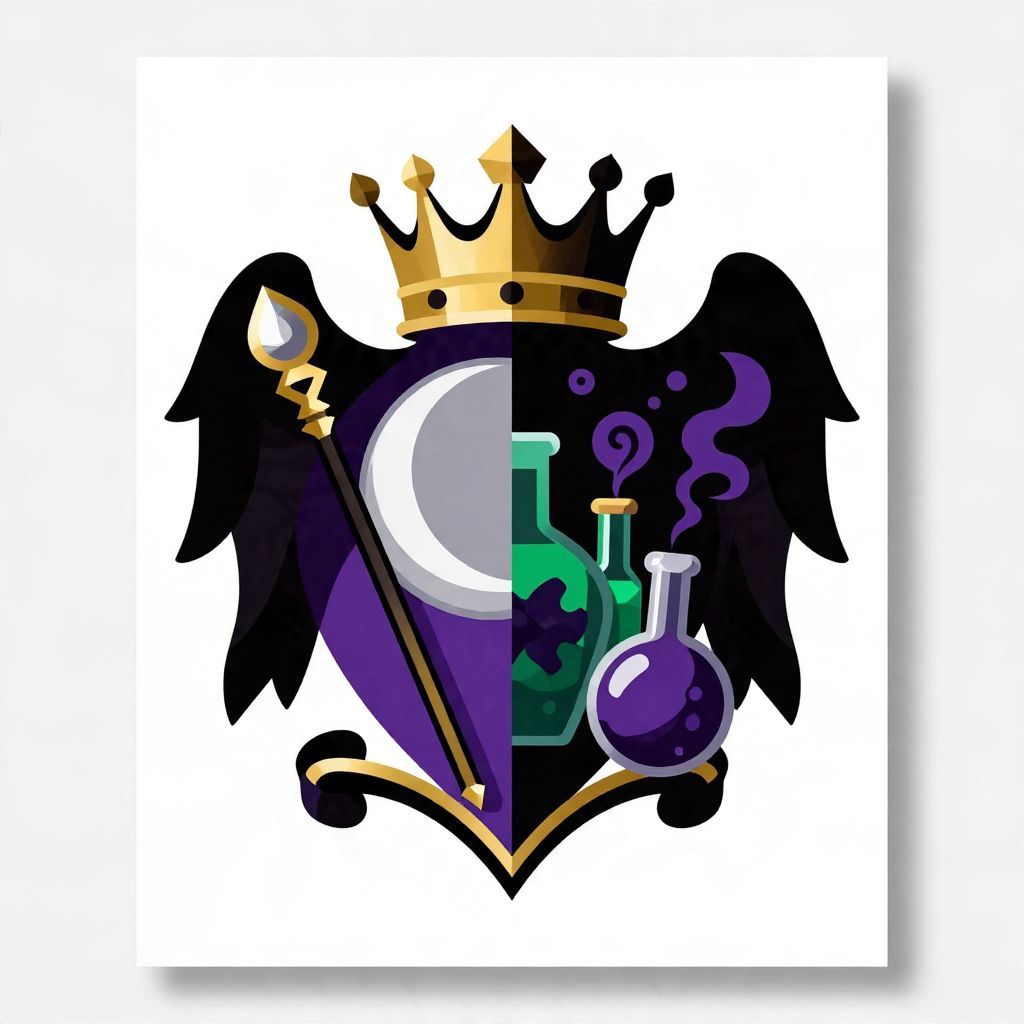
If you have ever wondered why Severus Snape is called the Half-Blood Prince, the answer lies in a mix of family history, personal identity, and a hidden chapter of his school life. The title is not a formal wizarding rank or a public nickname; it is a self-chosen label that reveals how Snape saw himself as a student.
In Harry Potter and the Half-Blood Prince, that name becomes important because it connects Harry to Snape’s past, his spell-making, and one of the series’ biggest mysteries. Understanding it also helps explain how J.K. Rowling uses names, memory, and secrecy to deepen Snape’s character.
Why is Snape the Half-Blood Prince?
Snape is the Half-Blood Prince because he was born to a witch and a Muggle father, making him a half-blood, and he later adopted the title “Prince” from his mother’s surname, Prince. As a schoolboy, he wrote the name in his potions textbook and used it as a private identity that reflected both pride and alienation.
The meaning behind the name
“Half-blood” explains Snape’s heritage
In the wizarding world, “half-blood” refers to someone with both magical and non-magical ancestry. Snape’s mother, Eileen Prince, was a witch, while his father, Tobias Snape, was a Muggle, so the label fits his background exactly.
The term matters because blood status carries social weight in the series. Snape’s childhood and adult choices are shaped by this divided identity, especially in a world where pure-blood prejudice is openly discussed by some characters.
“Prince” comes from his mother’s side
The “Prince” part is not a royal title. It is Snape’s mother’s family name, which he seems to have preferred over his father’s surname.
That choice suggests more than vanity. It hints at emotional distance from Tobias Snape and a stronger identification with his mother’s magical lineage, even if that identity is private rather than publicly celebrated.
Why he used the title at all
Snape’s use of “The Half-Blood Prince” feels like a teenage act of self-invention. He was a gifted student, especially in Potions, and the name gave him a secret persona to attach to his notes, spells, and discoveries.
It also has a slightly gothic, romantic quality, which suits the character’s brooding intelligence. The title makes Snape sound like someone who is both noble and outsider, a combination that matches his role throughout the series.
How the title appears in the story
Harry finds the marked textbook
In the sixth book, Harry receives an old Potions textbook that once belonged to Snape. Written in the margins are corrections, shortcuts, and spell notes, all signed by the Half-Blood Prince.
At first, Harry benefits from the mysterious annotations without knowing who wrote them. This discovery drives much of the book’s tension, because the textbook seems helpful while also raising questions about its owner’s identity and motives.
The reveal changes how readers see Snape
When Harry learns that Snape is the Half-Blood Prince, the revelation recontextualizes the notebook’s contents. What seemed like a clever anonymous guide becomes evidence of Snape’s intelligence, secrecy, and long-standing habit of keeping parts of himself hidden.
The reveal also complicates the reader’s understanding of Snape. He is not only a strict teacher or an apparent antagonist; he is also someone with a private past, a sharp magical mind, and a history that reaches back to his own school days.
Why the title matters thematically
Identity and self-fashioning
One of the strongest themes tied to the Half-Blood Prince identity is self-fashioning. Snape chooses a name for himself, which suggests that identity in the series is not only inherited but also constructed.
That matters in a story where names, bloodline, and family history often carry symbolic power. Snape’s title shows a character trying to define himself on his own terms, even if that definition is private, defensive, or conflicted.
Secrecy and hidden knowledge
The Half-Blood Prince persona embodies secrecy. Snape does not sign his own name in the textbook, and the hidden annotations become a source of advantage for Harry before their origin is known.
This secrecy fits the broader narrative structure of the novel, which is full of concealed histories, withheld truths, and delayed revelations. The title is therefore both a clue and a symbol of the book’s mystery-driven design.
Ambition, talent, and moral ambiguity
Snape’s notes show real talent, especially in spell creation and potion work. The Half-Blood Prince identity highlights his brilliance, but it does not make him morally straightforward.
That tension is central to the character. Rowling presents Snape as gifted and deeply flawed, and the title captures both the pride of achievement and the shadow of isolation that surrounds him.
Snape’s schoolboy past and the origin of the title
What the books suggest about his youth
The series gives readers fragments of Snape’s younger life rather than a full biography. From those fragments, it is clear that he was an outsider at school, intensely intelligent, and already experimenting with magic beyond standard classroom use.
The “Half-Blood Prince” label appears to come from that period. It likely reflects a teenage self-image shaped by family tension, insecurity, and a desire to claim status in a world that often judged him by background.
Why it feels personal rather than ceremonial
Unlike an official title, “Half-Blood Prince” sounds private and self-authored. That makes it feel like a bedroom name, a notebook signature, or a secret alter ego rather than a public identity.
This personal quality is important because it fits Snape’s character arc. He rarely offers himself openly to others, and even his most revealing traces are often indirect, coded, or discovered after the fact.
How the title connects to Snape as a character
His intelligence
The Half-Blood Prince identity emphasizes Snape’s academic brilliance. The spells in the textbook show that he was not merely a diligent student but a creative one, capable of improving and inventing magical techniques.
That detail helps explain why he becomes such an effective Potions master and why his knowledge often exceeds what others expect from him.
His resentment and vulnerability
The title also hints at emotional pain. Choosing his mother’s surname may suggest attachment, but it may also reflect rejection of his father’s side and the unhappy domestic life associated with it.
In that sense, the name is both proud and wounded. It is a mask that reveals vulnerability while hiding it.
His divided loyalties
Snape is one of the series’ most divided figures, and the Half-Blood Prince title mirrors that division. He belongs to neither world cleanly: not fully accepted by pure-blood ideology, not fully embraced by the people who mistrust him, and never entirely legible to Harry.
The name becomes a symbolic shorthand for that in-betweenness.
Why readers remember the title
It works as a mystery reveal
The Half-Blood Prince is memorable because it functions as both a plot device and a character revelation. Readers are invited to solve the mystery of the textbook while also reevaluating Snape’s role in the story.
That dual function makes the title more than a cool-sounding phrase. It is part of the novel’s structure and part of its emotional payoff.
It deepens the series’ use of names
Names in the Harry Potter series often carry hidden meaning, and Snape’s title is a strong example. It draws attention to lineage, chosen identity, and the gap between appearance and truth.
Because of that, “Half-Blood Prince” feels like a title that belongs to the series’ larger pattern of layered naming, where what something is called rarely tells the whole story.
Spoiler note: what the title does not mean
For readers who are only beginning the book, it is worth noting that the title does not mean Snape is secretly royalty, nor does it imply a formal magical office. It is a personal nickname tied to his ancestry and his mother’s surname.
It also does not mean Harry or another character created the title. The identity belongs to Snape himself, and the story’s suspense comes from uncovering that fact.
Key details at a glance
- Half-blood = Snape has one magical parent and one Muggle parent.
- Prince = his mother’s maiden surname.
- The name appears in Harry Potter and the Half-Blood Prince through Snape’s old Potions textbook.
- The title reflects identity, secrecy, and talent.
- It helps explain Snape’s complicated place in the series.
Final takeaway
Snape is the Half-Blood Prince because he chose a private identity built from his mixed heritage and his mother’s family name. The title matters because it reveals how he saw himself: gifted, hidden, and split between worlds. In Rowling’s story, that name is both a clue and a character study.
If you want to explore more of the series’ background, you may also like how old Voldemort is and what the seven Horcruxes were.