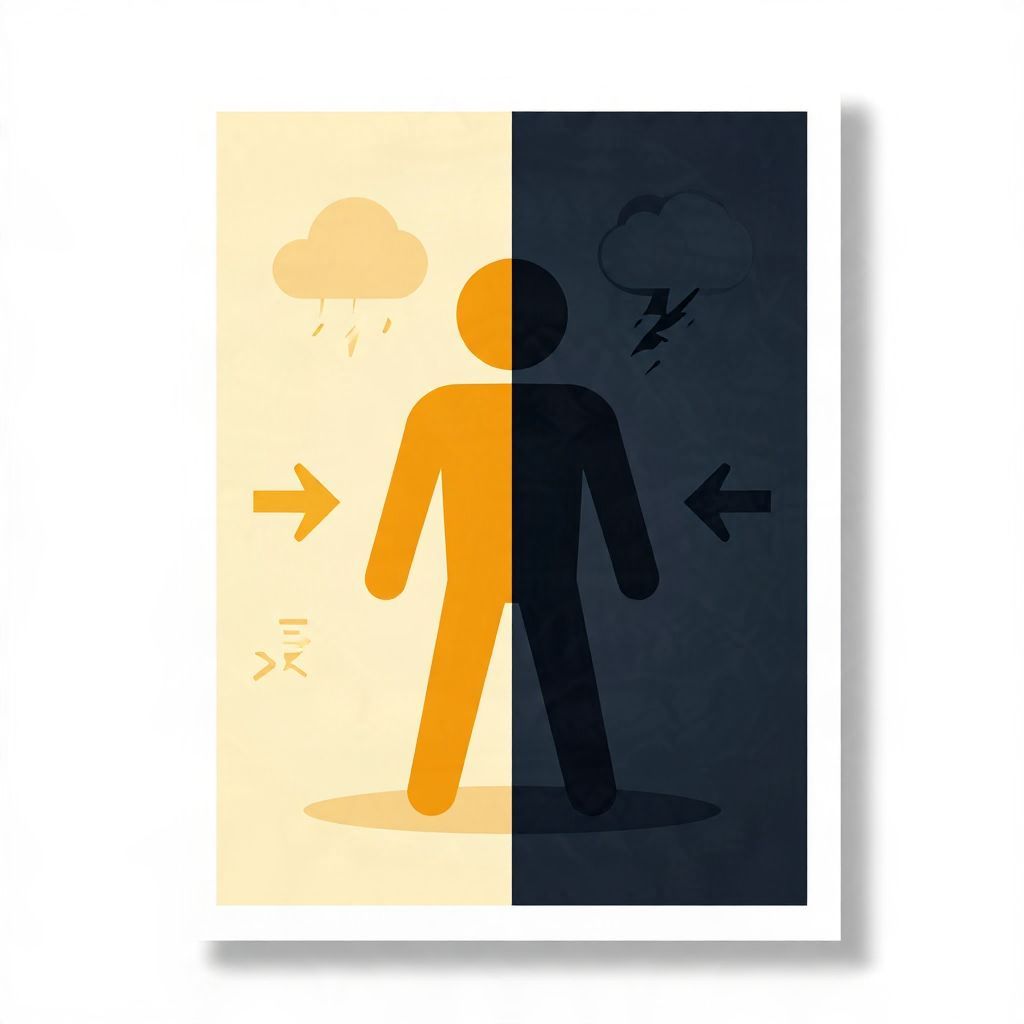
If you’ve ever wondered why some stories feel driven by a hero while others seem powered by a force working against them, the answer often lies with the antagonist. In storytelling, the antagonist is the character, force, or idea that creates the main opposition to the protagonist’s goals.
Understanding the antagonist helps readers see how conflict works, how themes are sharpened, and why a story feels tense, balanced, or morally complex.
What is an antagonist in a story?
An antagonist is the main source of opposition in a story. This can be a person, group, institution, nature, society, or even an internal struggle. The antagonist does not have to be evil; what matters is that they stand in the way of the protagonist’s aims, creating the central conflict.
How antagonists work in fiction
At its simplest, an antagonist gives the protagonist something to resist. That resistance can be physical, emotional, political, psychological, or moral, and it is often what gives a plot shape and momentum.
Antagonist vs. villain
These terms are related, but they are not identical. A villain is usually a morally bad character, while an antagonist is defined by function in the story.
In other words, a villain is often an antagonist, but an antagonist is not always a villain. A strict parent, a rival athlete, a corrupt system, or a natural disaster can all serve as antagonistic forces without being “evil” in a traditional sense.
Antagonist vs. protagonist
The protagonist is the central figure whose goals and choices the story follows most closely. The antagonist is the force that resists those goals, whether directly or indirectly.
This relationship is what creates narrative tension. Without opposition, the protagonist’s journey can feel flat, because there is little pressure to test character, values, or resolve.
What kinds of antagonists appear in stories?
Antagonists come in many forms, and recognizing the type can deepen your reading of a text. Some stories use a single person, while others spread opposition across multiple forces.
1. A person
This is the most familiar type: a rival, enemy, or opposing character who actively blocks the protagonist. Classic examples include a jealous sibling, a competing suitor, or a powerful authority figure.
2. A group or institution
Sometimes the antagonist is collective rather than individual. A government, corporation, school, army, or social class can function as the opposing force, especially in stories about injustice or rebellion.
3. Nature
In survival narratives, the antagonist may be the natural world itself: storms, wilderness, disease, hunger, or isolation. Here, the conflict is not about moral evil but about endurance and adaptation.
4. Society or culture
Many literary works present social norms, prejudice, or tradition as antagonistic forces. In these stories, the protagonist struggles against expectations that limit freedom, identity, or choice.
5. The self
Internal conflict can be the most psychologically rich form of antagonism. A character may battle fear, guilt, addiction, ambition, grief, or self-doubt, making the antagonist partly internal rather than external.
Why antagonists matter in literature
Antagonists do more than “cause trouble.” They reveal what the protagonist values, expose weaknesses, and force decisions that define character. In many stories, the antagonist also clarifies the theme by embodying the ideas the story is questioning or resisting.
They create conflict
Conflict is the engine of narrative. The antagonist introduces obstacles that make the protagonist’s journey uncertain, and uncertainty is what keeps readers invested.
They sharpen theme
A story about justice may use an antagonist who represents corruption. A story about freedom may use an antagonist who enforces control. Through opposition, the narrative can explore its central concerns more clearly.
They test character
How a protagonist responds to opposition matters as much as the opposition itself. Antagonists reveal courage, compromise, resilience, selfishness, or growth.
Common literary examples of antagonists
Because antagonists are defined by their role, they can look very different from one book to another. The following examples show how flexible the concept is in literature.
Shakespearean drama
In many plays, the antagonist is a character whose ambitions or choices collide with the protagonist’s. In Macbeth, for example, Macbeth becomes both protagonist and, in a broader sense, an antagonistic force to others as his actions drive the tragedy forward.
Shakespeare often complicates the role of antagonist by giving characters mixed motives, which makes conflict feel human rather than one-dimensional.
Classic novels
In some nineteenth-century novels, social structures act as antagonists. A character may struggle not just against one person but against inheritance laws, class prejudice, gender expectations, or economic hardship.
This kind of opposition is especially common in realist fiction, where the story examines how individuals are shaped by society.
Modern fiction
Contemporary novels often blur the line between hero and antagonist. A rival may have understandable motives, or the central conflict may arise from competing truths rather than clear moral categories.
This complexity can make a story feel more realistic, because real-life conflicts are rarely divided neatly into good and evil.
Fantasy and science fiction
Genre fiction often uses vivid external antagonists: dark rulers, invading forces, powerful machines, or dangerous environments. But even in high-stakes plots, the best antagonists usually reflect a deeper thematic concern, such as power, identity, or sacrifice.
How to identify the antagonist in a story
If you are reading for school or analyzing a novel, asking a few simple questions can help you identify the antagonist accurately.
- Who or what blocks the protagonist’s goal?
- What force creates the main conflict?
- Does the opposition come from a person, society, nature, or the protagonist’s own mind?
- Does the antagonist change, or do they remain a fixed obstacle?
- How does the antagonist reveal the story’s themes?
In some stories, there may be more than one antagonist. A protagonist might face a personal enemy and a social system at the same time, or an outer conflict may mirror an inner one.
Can an antagonist be sympathetic?
Yes. One of the most interesting developments in modern storytelling is the sympathetic antagonist, a character whose goals conflict with the protagonist’s but whose motives are understandable or even admirable in part.
This does not erase the conflict. Instead, it makes the story more layered, because readers may see that both sides have valid concerns, even if only one can prevail.
Why sympathetic antagonists are effective
They create moral tension, encourage readers to think critically, and prevent stories from becoming simplistic. When an antagonist has a believable worldview, the protagonist’s choices become more meaningful.
Antagonists in different genres
The role of the antagonist shifts depending on genre conventions, but the basic function remains the same: opposition that drives the story forward.
- Mystery: the antagonist may conceal truth, mislead others, or commit the central crime.
- Romance: the antagonist may be misunderstanding, social pressure, or a competing relationship.
- Horror: the antagonist may be a monster, curse, or psychological terror.
- Adventure: the antagonist often blocks a quest or guards a prize.
- Literary fiction: the antagonist may be subtle, internal, or embedded in social systems.
Why the antagonist is not always the “bad guy”
It is tempting to think of the antagonist as the story’s enemy, but that oversimplifies literary structure. A story can have a morally admirable antagonist, a flawed protagonist, or a conflict where both sides are understandable.
This is especially true in novels that explore moral ambiguity. In such works, the antagonist may be less a “bad person” than a necessary source of resistance that exposes the protagonist’s limits.
Key takeaways for readers and students
When you ask, what is an antagonist in a story, the most accurate answer is that it is the main opposing force shaping the central conflict. That force may be a character, a system, nature, or an inner struggle.
Once you can identify the antagonist, you can better understand plot structure, character development, and theme. In strong fiction, the antagonist does not merely stand in the hero’s way; they help reveal what the story is truly about.
For a related look at story structure, see what is a subplot, or explore the difference between an antagonist and an anti-hero.