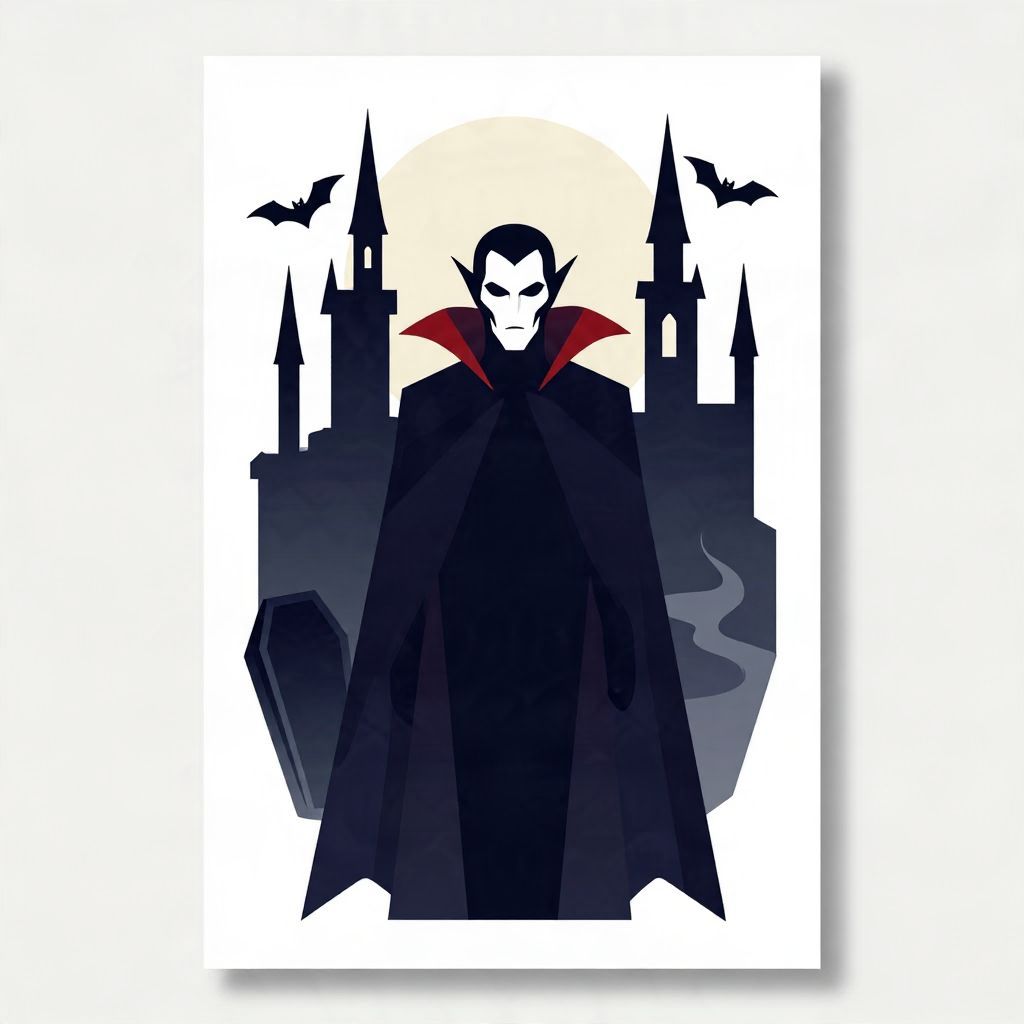
If you’ve come across Nosferatu and wondered what it means, you’re not alone. The word is most often associated with vampires, especially the eerie 1922 silent film Nosferatu, but it also has a longer literary and folkloric life.
In literary terms, Nosferatu usually refers to a vampire figure or an old-fashioned word for vampire-like evil. It evokes Gothic horror, disease, death, and the uncanny, and it became famous through adaptations and retellings of vampire mythology.
What is Nosferatu in literature?
Nosferatu is a name strongly tied to the vampire tradition in Gothic literature and horror culture. It is not a single novel or author, but a term that points to a vampire archetype—an undead, predatory being associated with darkness, contagion, and fear.
Where does the word “Nosferatu” come from?
The exact origin of the word is uncertain, which is part of its eerie appeal. It is often linked to older Balkan or Romanian vampire lore, though scholars have debated its etymology for years. What matters in literary history is that the term gained lasting fame through vampire fiction and film.
From folklore to Gothic horror
Before it became a pop-culture icon, the vampire was already a figure in Eastern European folklore and nineteenth-century Gothic writing. Authors transformed that folklore into a literary monster: seductive, diseased, aristocratic, and terrifying.
Nosferatu became one of the most memorable names attached to that tradition because it sounds ancient, foreign, and ominous. Even when writers do not use the word directly, they often draw on the same atmosphere it suggests.
Why is Nosferatu so famous?
The word became famous because of Nosferatu: A Symphony of Horror (1922), F. W. Murnau’s silent film adaptation of vampire fiction. The film is not a direct literary text, but it is deeply connected to literary history because it reimagines the vampire as a plague-like force invading ordinary life.
The Dracula connection
Nosferatu was an unauthorized adaptation of Bram Stoker’s Dracula. Because of legal pressure, the film changed names and details, but its central structure remained recognizable: a sinister outsider, a vulnerable community, and a battle between human life and supernatural corruption.
This connection matters because many readers encounter Nosferatu as a visual shorthand for the literary vampire—less romantic than later versions, more monstrous, and closer to death itself.
What literary themes does Nosferatu represent?
When critics and readers use the term Nosferatu, they often mean more than a vampire character. They mean a cluster of Gothic themes that appear across horror literature and film.
- Death and decay: the vampire as a body that should be dead but is not.
- Contagion: the idea that evil spreads like illness.
- Foreignness: the outsider who enters and unsettles the home.
- Desire and danger: attraction mixed with fear.
- Isolation: characters cut off from safety, reason, or community.
These themes are central to Gothic literature more broadly. Nosferatu is powerful because it condenses them into one unforgettable image of predation and shadow.
How is Nosferatu used as a literary symbol?
As a symbol, Nosferatu often stands for the return of what society tries to repress: death, appetite, taboo desire, and moral corruption. The vampire does not simply kill; it drains, infects, and transforms, which makes it a rich metaphor for many kinds of fear.
The vampire as metaphor
Writers have used vampire figures to explore social anxieties about class, sexuality, illness, immigration, and modernity. In that sense, Nosferatu can represent a threat that is both supernatural and deeply human.
Its gaunt body and unnatural movement also make it a symbol of the uncanny—something familiar that has become disturbingly wrong. That visual and emotional effect is one reason the name remains so enduring.
What are the key literary examples related to Nosferatu?
There is no single canonical “Nosferatu book,” but several literary works and traditions help explain the term’s meaning and influence. These are the most important reference points for readers interested in the vampire tradition.
Bram Stoker’s Dracula
Published in 1897, Dracula is the central novel in modern vampire literature. It established many of the conventions that later vampire stories, including Nosferatu, would adapt: the castle, the outsider count, the struggle between superstition and science, and the invasion of England by a supernatural force.
Earlier Gothic vampire tales
Before Stoker, vampire themes appeared in nineteenth-century Gothic and Romantic writing, including works by John Polidori and later authors who helped shape the vampire as a literary figure rather than just a folk monster. These texts laid the groundwork for the atmosphere that Nosferatu later made iconic.
Modern vampire fiction
Later vampire novels often soften or complicate the monstrous image associated with Nosferatu. Some turn vampires into tragic lovers, while others preserve the horror and bodily dread of the older tradition. Either way, the name still evokes the original Gothic model.
What makes Nosferatu different from later vampires?
Modern vampire stories often emphasize charisma, romance, or interior conflict. Nosferatu, by contrast, usually suggests a more stripped-down terror: a creature that is alien, corpse-like, and fundamentally destructive.
That difference matters in literary interpretation. Where some vampires seduce, Nosferatu haunts. Where some vampires speak eloquently, Nosferatu often seems closer to a force of nature or a plague than a person.
Visual and tonal qualities
In literary and film criticism, Nosferatu is associated with sharp shadows, angular bodies, silence, and slow, deliberate menace. Those qualities help create a mood of dread rather than suspense alone.
In other words, the term does not just name a monster. It names a style of horror: bleak, expressionistic, and deeply Gothic.
How should readers understand Nosferatu today?
Today, Nosferatu is best understood as a cultural and literary shorthand for the classic vampire as a figure of horror. It points to the older, darker side of vampire mythology—less glamorous than later versions and more closely tied to death, disease, and the uncanny.
If you are studying literature, the term is useful because it connects folklore, Gothic fiction, adaptation, and film history. If you are simply curious, it is a reminder that some monsters become symbols larger than any single story.
Quick takeaways for readers
- Nosferatu is not one book, but a vampire term and cultural image.
- It is most famous through the 1922 silent film linked to Dracula.
- In literature, it represents Gothic horror, contagion, and the uncanny.
- It remains a powerful symbol of the vampire as deathly, alien, and predatory.
If you enjoy exploring literary questions like this, you may also like reading about what November 9 is about or the themes of November 9.