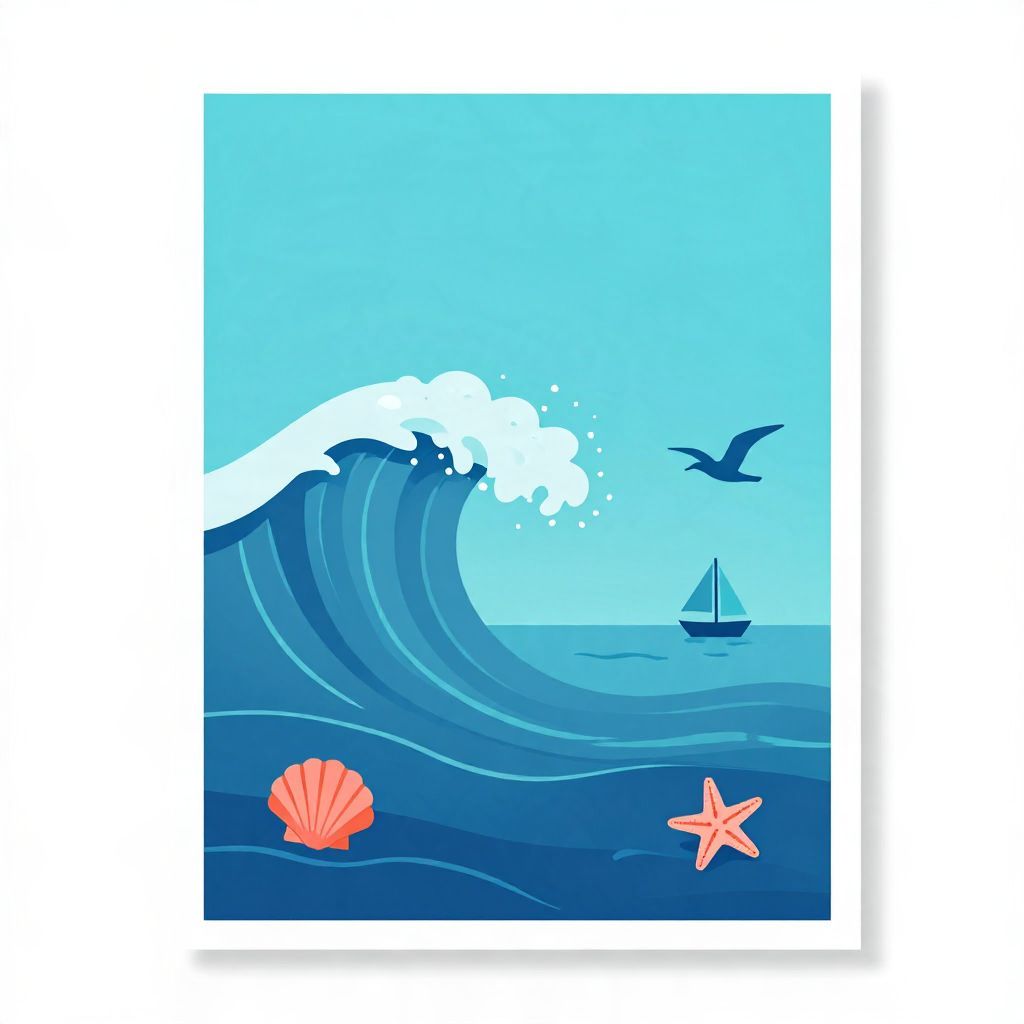
If you’re searching for what rhymes with sea, you may be looking for a literal rhyme, a poetic device, or a book-related guide that helps with language, verse, and wordplay. In literature, “sea” is one of the most flexible rhyme words in English, appearing in children’s books, poems, songs, and stories where sound and imagery matter.
This article looks at the word itself in a literary context: what rhymes with it, how writers use it, and why it remains such a useful word in poetry and storytelling. If you came here for a reading or writing answer, you’ll find practical examples, thematic notes, and a clear explanation of the word’s appeal.
What rhymes with sea?
Sea rhymes with many common English words ending in the long “ee” sound, such as see, tree, free, me, be, and key. In poetry and children’s literature, it is especially useful because it is short, familiar, and easy to pair with vivid images, emotions, and movement.
Why “sea” is such a useful rhyme word
It is simple and versatile
“Sea” is a one-syllable word with a clean, open vowel sound. That makes it easy to place at the end of a line, where rhyme often lands most strongly.
Writers also like it because it can be literal or symbolic. It may refer to the ocean itself, but it can also suggest distance, mystery, danger, freedom, or change.
It works in many literary forms
You’ll find “sea” in nursery rhymes, lyric poetry, ballads, and picture books. Its sound makes it especially effective in texts meant to be read aloud, where rhythm and repetition matter as much as meaning.
Because it pairs well with so many everyday words, it gives writers room to build lines that feel natural rather than forced.
Common rhymes for sea
Perfect rhymes
These are words that match the ending sound closely:
- see
- be
- me
- free
- tree
- key
- tea
- glee
- flee
- knee
Near rhymes and slant rhymes
Writers sometimes use near rhymes when they want a softer or less predictable effect. These may not match perfectly, but they can still sound musical in context.
- blue in some rhythmic settings
- waves when paired with sound repetition rather than exact rhyme
- deep in approximate poetic structures
In strict rhyme terms, these are not perfect matches for “sea,” but they can still work in modern poetry or song lyrics if the meter and stress pattern support them.
How writers use “sea” in poetry and stories
As a setting
The sea often creates atmosphere immediately. It can suggest openness, travel, isolation, danger, or wonder, depending on the tone of the work.
When paired with rhyming words, the sea becomes more than a location. It becomes part of the poem’s music, helping the writer create a memorable emotional effect.
As a symbol
In literary analysis, the sea is often read as a symbol of the unknown, the unconscious, or the boundary between safety and risk. That symbolism is one reason it appears so often in poems and novels.
When a writer rhymes “sea” with words like “free” or “me,” the poem may quietly connect the ocean with personal longing, self-discovery, or escape.
As a sound device
Rhyme is not just decorative. It helps create cohesion, memory, and emphasis. A line ending in “sea” can echo another line ending in “free” or “me,” making the poem feel unified and easy to remember.
This is especially important in children’s literature, where sound often carries as much meaning as plot.
Examples of rhyme patterns with sea
Simple couplets
A classic rhyme pattern pairs “sea” with another “-ee” word:
- The waves rolled in across the sea / and carried songs back home to me.
- The gulls flew high above the tree / and circled where the harbor used to be.
These examples show why the word is so adaptable: it can support both concrete imagery and emotional reflection.
Quatrains and song-like stanzas
In a four-line stanza, “sea” may appear as part of an ABAB or AABB rhyme scheme. That structure is common in nursery verse, ballads, and light lyric poetry.
Because “sea” is such a familiar word, it rarely distracts the reader. Instead, it helps the stanza flow smoothly.
Themes often associated with “sea” in literature
Freedom and movement
The sea often represents freedom because it is open, shifting, and difficult to control. Rhyming it with “free” is one of the most natural poetic pairings in English.
Memory and longing
In many poems, the sea is tied to remembrance. It can evoke travel, separation, or the pull of a place that cannot be held.
Nature and power
Writers also use the sea to show nature’s scale and force. Even a gentle rhyme can carry a sense of vastness when the image itself is large and elemental.
Childhood and wonder
Because the sound is simple and the image is vivid, “sea” appears often in children’s books. It can introduce young readers to rhyme while also opening up a world of adventure and imagination.
Literary techniques connected to sea rhymes
End rhyme
This is the most common technique. “Sea” appears at the end of one line and is matched with a rhyming word at the end of another.
Internal rhyme
Sometimes a writer places a rhyme inside the line rather than at the end. This can make the verse feel playful or musical without sounding overly formal.
Alliteration and assonance
Writers often combine rhyme with repeated consonant or vowel sounds. Words like “sail,” “shore,” and “soft” may appear alongside “sea” to deepen the sonic texture even when they do not rhyme directly.
Repetition
Repeating “sea” can create a chant-like effect. In poetry, repetition often strengthens mood and helps the central image linger in the reader’s mind.
If you are looking for a book or poem title
Sometimes readers search “What rhymes with sea” because they are trying to identify a poem, classroom text, or rhyming book. If that is your goal, the best approach is to look for works that center on sound play, seaside imagery, or children’s verse.
Without a specific title or author, it is not possible to identify one exact book with confidence. If you remember a line, character, or cover detail, that would narrow the search considerably.
How to choose a rhyme for sea in your own writing
- Decide on tone. Use “free” or “me” for emotional clarity, or “tree” and “bee” for a lighter, more playful effect.
- Match the rhythm. A perfect rhyme works best when the stress pattern also feels natural.
- Keep the image vivid. The best rhyme supports the meaning instead of calling attention to itself.
- Avoid overuse. Because “sea” has many obvious rhymes, try not to rely on the same pairings too often.
Review-style takeaway
As a rhyme word, sea is one of the most dependable in English literature. It is short, musical, and rich in symbolic meaning, which is why poets, songwriters, and children’s authors return to it so often.
If you’re writing or studying verse, “sea” is a great example of how sound and meaning work together: the word is easy to rhyme, but it also carries a wide emotional range. That combination makes it a small word with lasting literary power.
For more book and literature guides, you may also enjoy exploring related topics such as poetry rhyme examples and how to analyze literary symbolism.