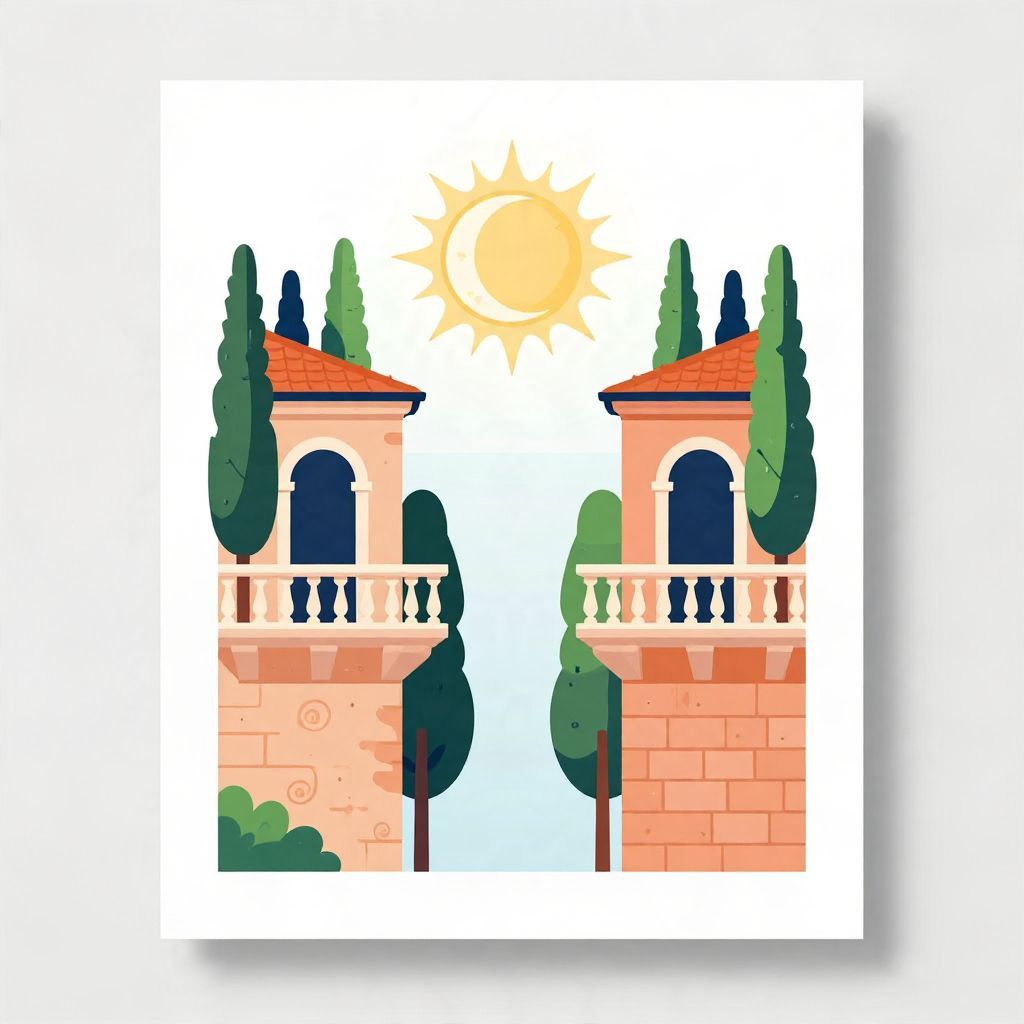
If you’re asking when does Romeo and Juliet take place, the short answer is that Shakespeare sets the tragedy in a Renaissance-era version of Verona, Italy, during a time that feels roughly like the late 15th or early 16th century. The play does not give a precise calendar year, so the setting is best understood as a stylized historical past rather than an exact date.
That flexibility is part of the play’s power: Shakespeare uses an Italian city and a premodern social world to heighten family honor, public violence, and youthful urgency. The result is a setting that feels historically grounded, even though it is not pinned to a specific year in the text.
When does Romeo and Juliet take place?
Romeo and Juliet takes place in Renaissance Verona, Italy, in an unspecified historical period that readers usually place around the late 1400s or early 1500s. Shakespeare never names an exact year, but the social customs, dueling culture, and political atmosphere suggest an Italian city-state world from the Renaissance rather than ancient or modern times.
Why the play is set in Renaissance Italy
Shakespeare often set tragedies and comedies in Italy because Italian settings carried associations of romance, conflict, and political intrigue for Elizabethan audiences. Verona gives the play a vivid urban backdrop where noble families, servants, and civic authorities all collide.
What the setting contributes
- Honor culture: Family reputation matters intensely, helping drive the feud.
- Dueling and violence: Sword fights feel socially embedded rather than unusual.
- Private and public life overlap: Love, family duty, and civic order constantly interfere with one another.
- Distance from the audience’s present: The historical setting gives the story a legendary, timeless quality.
Does the play give an exact date?
No. Shakespeare does not provide a specific year, and scholars generally treat the setting as intentionally indefinite. The play is more interested in dramatic atmosphere than historical precision, so the timeline is shaped by mood, conflict, and pace rather than by documented events.
That said, the language and social world align with Renaissance Italy more than with medieval Europe. The architecture of the city, the presence of noble households, and the importance of arranged social behavior all support that reading.
How long does the story take place over?
The action of the play unfolds very quickly, which is one reason the tragedy feels so intense. From the first meeting of Romeo and Juliet to the final catastrophe, the story spans only a few days, not months or years.
Why the compressed timeline matters
The rapid pace mirrors the speed of adolescent passion and the volatility of the feud. Love, marriage, secrecy, and death all happen before the characters have time to reflect, which makes the setting feel emotionally urgent even when the historical date is vague.
Historical background and literary context
Shakespeare wrote Romeo and Juliet in the 1590s, during the English Renaissance, but he based the story on earlier Italian and English sources. The play’s Italian setting helped separate the action from contemporary England while still allowing audiences to recognize familiar concerns: family loyalty, social hierarchy, and the consequences of rash behavior.
What audiences would have recognized
- Feuding noble houses: a recognizable dramatic pattern in Renaissance storytelling.
- Urban life: streets, public squares, and houses that shape movement and conflict.
- Marriage politics: the tension between personal desire and family strategy.
- Religious and civic authority: figures like Friar Laurence and Prince Escalus represent attempts to restore order.
How the setting shapes the themes
The time period is not just background; it helps define the play’s major themes. In a society governed by family honor and male rivalry, private love becomes politically dangerous. Juliet and Romeo’s relationship is not simply romantic—it is rebellious against the social order that surrounds them.
Love versus social duty
Because the play is set in a hierarchical, feud-driven world, love has to compete with obedience, marriage expectations, and inherited loyalty. The historical setting makes the lovers’ choices feel both passionate and risky.
Youth and impulsiveness
The Renaissance world of the play is one in which adults often control marriage and status, yet the young characters act with startling speed. The contrast between youthful urgency and social restraint is central to the tragedy.
Violence and masculinity
The era’s honor culture turns insults into duels and pride into bloodshed. Shakespeare uses that environment to show how easily public violence spills into private grief.
Common misunderstandings about the timeline
Readers sometimes assume the play is set in Shakespeare’s own time because the language feels immediate. In fact, the story is historical in flavor, even though it is not tied to a documented event. Others imagine it takes place in medieval times, but the social and cultural cues point more strongly to the Renaissance.
Quick clarifications
- Not modern: there are no modern institutions, technology, or social norms.
- Not ancient: the world is clearly post-classical and urban.
- Not exactly medieval: the courtly and civic details feel more Renaissance than feudal.
- Not a precise historical record: Shakespeare uses a flexible, dramatic past.
Why Shakespeare leaves the date vague
Leaving the date unspecified allows the play to feel universal. If the story were tied to a single historical moment, it might seem like a local tragedy; instead, it becomes a broader meditation on love, conflict, and the cost of inherited hatred.
This vagueness also supports the play’s poetic style. Shakespeare is less concerned with documentary realism than with emotional truth, dramatic momentum, and symbolic contrast between light and dark, youth and age, peace and violence.
Key details to remember
- Setting: Verona, Italy.
- Historical frame: Renaissance era, roughly late 1400s to early 1500s in feel.
- Exact date: not specified in the play.
- Timeline of events: only a few days.
- Literary purpose: the setting intensifies the feud, romance, and tragedy.
Final takeaway
When does Romeo and Juliet take place? In an unspecified Renaissance Verona, shaped by the customs of late medieval or early modern Italy. Shakespeare does not give a precise year because the play is designed to feel timeless, but its historical atmosphere is essential to its themes of love, violence, and fate.
If you’d like to explore more details about the play’s setting and characters, you may also enjoy where Romeo and Juliet take place and how old Juliet is in Romeo and Juliet.