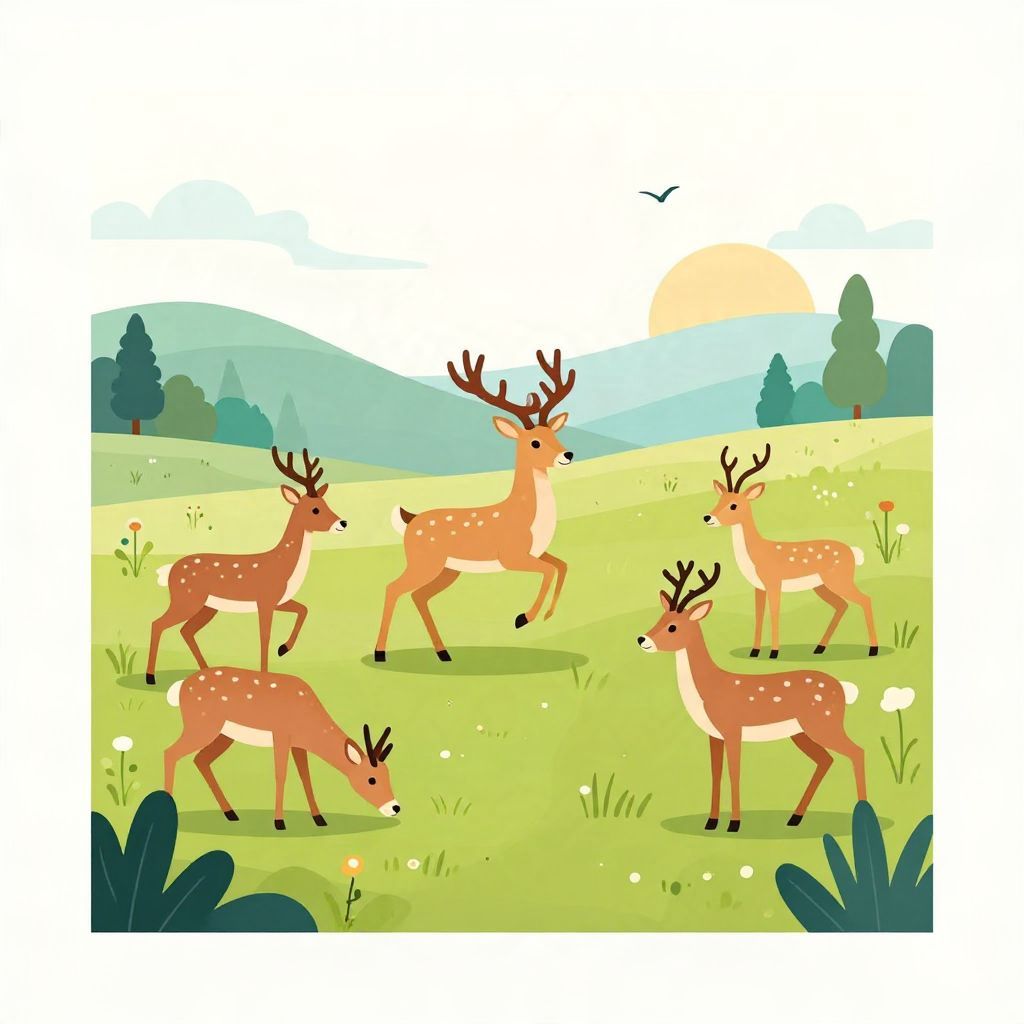
If you’re wondering what Where the Deer and the Antelope Play is about, the short answer is that it is a reflective nonfiction book by Nick Offerman about American landscapes, outdoor life, and the value of paying attention to the natural world. It blends travel writing, memoir, humor, and cultural commentary rather than telling a conventional story.
The book’s appeal lies in its mix of personal observation and larger questions about conservation, recreation, and what it means to live well in relation to the land. Readers drawn to nature writing, road-trip essays, and thoughtful nonfiction will find a lot to consider.
What is Where the Deer and the Antelope Play about?
Where the Deer and the Antelope Play is a nonfiction exploration of the American outdoors, shaped by Nick Offerman’s journey through landscapes associated with parks, public land, and the idea of wilderness. Rather than a single plot, it offers essays and reflections on nature, stewardship, and the pleasures of being outside.
Who wrote it, and what kind of book is it?
The book is by Nick Offerman, who is widely known as an actor and writer, but who also has a recognizable nonfiction voice: funny, observant, and often quietly earnest. This book fits into the tradition of contemporary nature writing, with elements of memoir and cultural criticism.
Genre and style
- Nature writing: attention to land, wildlife, seasons, and outdoor experience.
- Travel writing: movement through places and regions rather than a fixed setting.
- Personal essay: the author’s voice and opinions shape the book’s meaning.
- Humor-inflected nonfiction: serious ideas are often delivered with wit and self-awareness.
Why the title matters
The title Where the Deer and the Antelope Play evokes the familiar lyric from “Home on the Range,” a song long associated with romanticized visions of the American West. That allusion matters because the book is partly about the difference between idealized nature and the complicated, lived reality of public land, development, and access.
What the title suggests
- A nostalgic image of open country and abundance.
- A conversation with American mythmaking about the West.
- A reminder that landscapes are cultural as well as physical spaces.
What themes does the book explore?
The strongest themes in Where the Deer and the Antelope Play are environmental responsibility, public access to land, and the emotional value of the outdoors. The book also considers how recreation, conservation, and national identity overlap in American life.
1. Stewardship and conservation
One of the book’s central concerns is how people care for land they may never fully own in a moral sense. The writing encourages readers to think about preservation not as abstract policy, but as a practical commitment to future generations.
2. Public land and shared space
Offerman’s reflections emphasize the importance of public lands as places where ordinary people can experience beauty, solitude, and recreation. This makes the book relevant to readers interested in parks, forests, trails, and access to nature.
3. Humor and humility
Although the subject can be serious, the tone is not solemn all the time. Humor helps keep the book approachable, and it also prevents the authorial voice from becoming preachy.
4. Wonder and attention
The book repeatedly returns to the idea that noticing the world carefully is a form of respect. That makes it as much about how to look as about what to look at.
Is there a plot?
Not in the usual fictional sense. The book does not unfold through a central conflict, climax, or cast of characters. Instead, it moves through experiences, observations, and arguments, creating a loose narrative of exploration and reflection.
How to read it
- As a series of connected essays.
- As a travel-based meditation on the outdoors.
- As a personal nonfiction book with a strong viewpoint.
What kind of reader is it for?
This book will likely appeal to readers who enjoy accessible nonfiction that mixes personality with ideas. It is especially suited to people who like outdoor writing, environmental topics, and books that are thoughtful without being academic.
Best fit for readers who enjoy
- Nature essays and environmental nonfiction
- Road-trip or place-based books
- Books with a conversational, humorous voice
- Reflections on American landscapes and public land
How does the book compare to other nature writing?
Compared with more meditative or literary nature writers, Offerman’s book is generally more conversational and accessible. It is less about lyrical solitude alone and more about the relationship between citizenship, recreation, and land use.
In broad terms, it may remind readers of
- Memoir-inflected nature essays
- Books about parks and public lands
- Humorous nonfiction with an environmental angle
That said, it is best understood on its own terms: not as a dense environmental treatise, but as a readable, opinionated, and reflective book about the outdoors.
What literary techniques does it use?
The book’s effectiveness comes from the way it combines several nonfiction techniques. These help the writing feel both personal and broadly relevant.
1. Anecdote
Short personal stories and field observations give the book momentum and make its larger points feel grounded.
2. Contrast
The text often contrasts idealized images of nature with practical realities such as land management, tourism, and environmental strain.
3. Voice-driven prose
The author’s persona is central. The result is a book that feels conversational, but still carefully shaped.
4. Cultural commentary
The book does more than describe scenery; it asks what American attitudes toward land reveal about values, privilege, and responsibility.
Are there major characters?
Because this is nonfiction, it does not have fictional characters in the usual sense. The most important presence is the author himself, whose perspective organizes the book. Other people may appear in anecdotes or examples, but they do not function as a novel’s cast.
What should readers know before starting?
If you are expecting a conventional narrative, it helps to adjust your expectations. The book is more essayistic than plot-driven, and its pleasures come from voice, insight, and reflection rather than suspense.
Useful things to keep in mind
- The book is best read for ideas and tone, not plot twists.
- It blends entertainment with advocacy.
- Its arguments are accessible, but they still invite thought and discussion.
Why does the book resonate now?
Books about nature often gain urgency when readers are thinking about climate, access, and the future of shared spaces. Where the Deer and the Antelope Play resonates because it frames outdoor life as both a personal pleasure and a public responsibility.
Its contemporary relevance includes
- Interest in conservation and land use
- Questions about who gets to enjoy nature
- A renewed appreciation for parks and public spaces
- The search for slower, more grounded ways of living
Should you read it?
If you enjoy nonfiction that is thoughtful, lightly humorous, and rooted in place, this is a strong choice. If you want a tightly plotted story, you may prefer a novel instead. But for readers interested in the American outdoors and the meaning of public land, it offers a rewarding perspective.
In the end, Where the Deer and the Antelope Play is less about a single journey than about a way of seeing. It invites readers to notice landscapes, question assumptions about wilderness, and think more carefully about the places we share.
For more book-centered reading, you may also enjoy How to Hide an Empire and How to Not Give a Fuck.