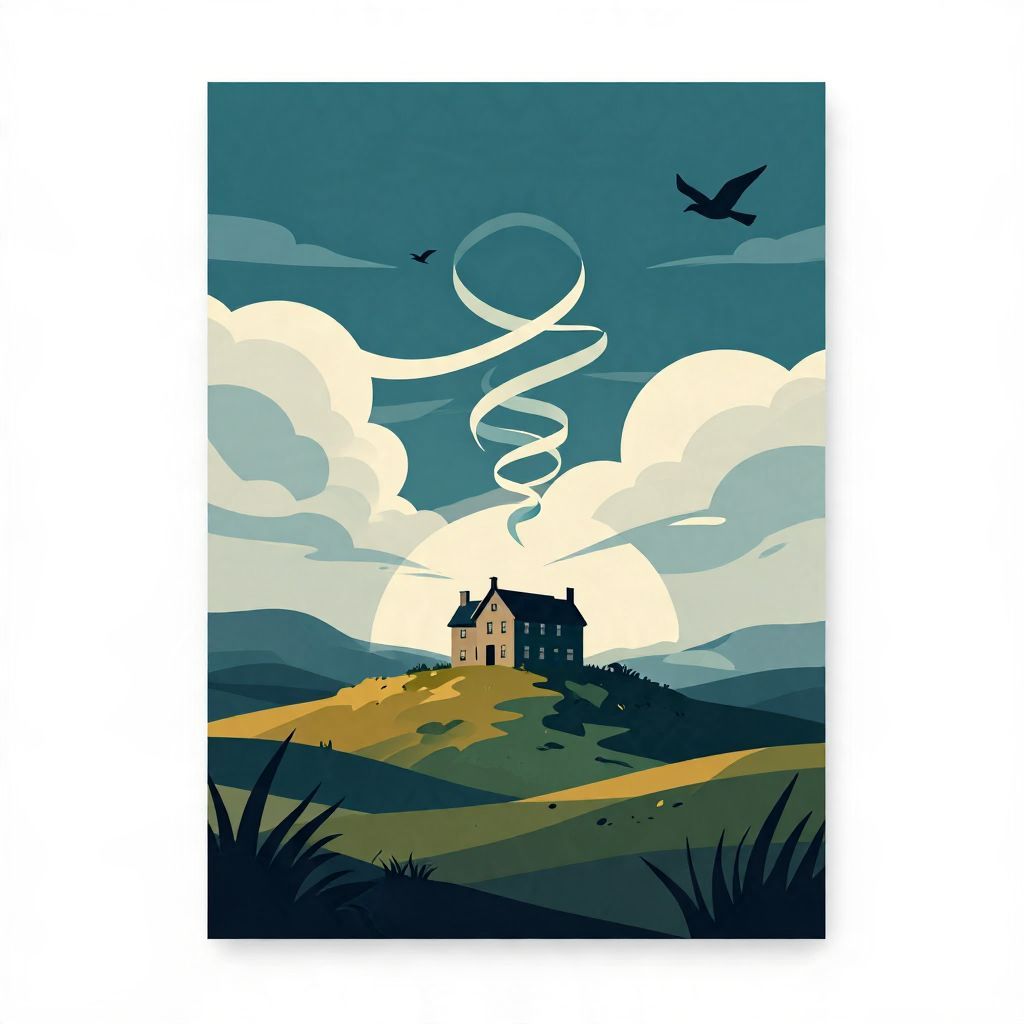
If you’re wondering what Wuthering Heights is really about, the short answer is that it is a Gothic novel about destructive love, revenge, class tension, and the haunting power of memory. Emily Brontë’s story is less a simple romance than a dark study of obsession and emotional damage.
It follows the lives of the Earnshaw and Linton families on the Yorkshire moors, where passion, cruelty, and social ambition collide. The novel’s fierce atmosphere and morally complicated characters have made it one of the most discussed works in English literature.
What is Wuthering Heights movie about?
The Wuthering Heights movie is usually about the same central conflict as the novel: a turbulent relationship shaped by love, resentment, and revenge. Most film adaptations focus on Catherine Earnshaw and Heathcliff, whose bond is intense but deeply damaging, set against the bleak Yorkshire landscape that mirrors their emotions.
What story does Wuthering Heights tell?
At its core, the story traces how one family’s choices echo across generations. Heathcliff, an outsider taken in by the Earnshaws, grows up with Catherine, but social class, pride, and emotional insecurity drive them apart.
After Catherine chooses a more socially acceptable marriage, Heathcliff returns with wealth and a desire for revenge. The second half of the novel shows how that bitterness affects the next generation, turning private suffering into a broader family tragedy.
A brief plot overview
- Heathcliff arrives at Wuthering Heights as a foundling and is raised in the Earnshaw household.
- Catherine Earnshaw forms a powerful emotional attachment to him.
- Catherine later marries Edgar Linton, whose gentler manners and social standing offer security.
- Heathcliff leaves, then returns changed, wealthy, and determined to punish those who hurt him.
- The aftermath involves the younger generation, especially Cathy Linton, Hareton Earnshaw, and Linton Heathcliff.
Why is the novel considered Gothic?
Wuthering Heights is a Gothic novel because it uses haunting settings, emotional extremity, family secrets, and a sense of doom. The house itself feels almost like a living force, and the moors create an atmosphere of isolation and wildness that suits the novel’s psychological intensity.
Unlike a conventional love story, the book emphasizes what happens when feeling becomes destructive. The Gothic elements are not just decorative; they help Brontë explore fear, confinement, and the uneasy line between love and possession.
Common Gothic features in the novel
- Isolated settings such as the Heights and the moors
- Stormy weather and darkness that echo emotional conflict
- Family secrets and inheritance struggles
- Ghostly or uncanny imagery
- Extreme emotional states rather than balanced realism
What themes are central to Wuthering Heights?
The novel is famous because it refuses simple moral answers. Its themes are broad, but they all circle around the same question: what happens when love, pain, and power become impossible to separate?
Love and obsession
Catherine and Heathcliff’s connection is often described as passionate love, but the novel also shows how that passion can become possessive and self-destructive. Their relationship is intense enough to shape their identities, yet it does not lead to peace or growth.
Revenge
Heathcliff’s return transforms private hurt into a long campaign of retaliation. His actions show how revenge can outlast the original injury and damage people who were not responsible for it.
Class and social ambition
Class difference is crucial to the novel’s conflict. Catherine’s choice to marry Edgar is tied not only to affection but also to social position, comfort, and respectability. Brontë shows how class can distort personal relationships and self-understanding.
Nature versus civilization
The wild moors often stand for untamed feeling, while Thrushcross Grange represents order, refinement, and restraint. The novel does not simply praise one side over the other; instead, it suggests that both freedom and control have costs.
Who are the main characters?
The novel’s power comes partly from its small but memorable cast. Each major character reflects a different response to love, injury, and social pressure.
Heathcliff
Heathcliff is the novel’s most famous figure: passionate, wounded, controlling, and difficult to interpret. He can seem both victim and villain, which is one reason readers continue to debate him.
Catherine Earnshaw
Catherine is spirited, stubborn, and emotionally divided. She wants both wild freedom and social security, and that conflict shapes the tragedy at the center of the novel.
Edgar Linton
Edgar represents gentility, stability, and domestic order. He is not a simple antagonist, but his values differ sharply from Heathcliff’s intensity.
Lockwood and Nelly Dean
The story is framed through Lockwood, an outsider who misunderstands much of what he sees, and Nelly Dean, the household servant who becomes the main storyteller. This layered narration shapes how readers receive the events.
How does the movie usually differ from the book?
Film adaptations often simplify the novel’s complex structure, compress the timeline, and focus more directly on the central romance. Because the book moves across generations and uses nested narration, movies usually streamline the story for clarity and emotional impact.
Adaptations also tend to emphasize visual atmosphere: the moors, the house, the costumes, and the physical intensity between characters. That can make the story more immediately accessible, but it may reduce some of the novel’s ambiguity and social detail.
Typical adaptation choices
- Greater focus on Catherine and Heathcliff
- Less emphasis on the younger generation
- Simplified narration
- Stronger visual symbolism through landscape and weather
- More direct presentation of romance or tragedy
What literary techniques make the novel memorable?
Brontë uses structure, voice, and setting to create a novel that feels both intimate and unsettling. The book is not only about what happens, but also about how the story is told.
Frame narrative
The story is filtered through multiple narrators, especially Lockwood and Nelly Dean. This creates distance, uncertainty, and a sense that the truth is always being interpreted rather than simply reported.
Unreliable perspective
Because the narrators have limited understanding and personal biases, readers must piece together the emotional reality of the story. That uncertainty is part of the novel’s lasting appeal.
Symbolic setting
Wuthering Heights and Thrushcross Grange are more than locations. They function as symbols of competing values: wildness and restraint, passion and civility, chaos and order.
Repetition and echo
The second generation mirrors the first in ways that suggest history repeating itself. This pattern gives the novel a tragic structure, as if unresolved pain is inherited along with property and names.
Why does Wuthering Heights still matter?
The novel remains important because it resists easy categorization. It is a love story, but not a comforting one; a revenge tale, but also a psychological and social novel; a Gothic work, but one with unusually modern emotional complexity.
Readers and filmmakers return to it because it asks enduring questions about attachment, identity, and the cost of refusing to let go. Its characters are extreme, but the emotions behind them—grief, pride, jealousy, longing—remain recognizable.
Who might enjoy the movie or the novel?
If you like moody period dramas, emotionally intense relationships, and literary stories with a strong sense of atmosphere, Wuthering Heights may be a good fit. It is especially appealing to readers who enjoy ambiguous characters and novels that invite interpretation rather than offering neat resolution.
- Best for: readers of Gothic fiction, literary classics, and tragic romances
- Less ideal for: readers looking for a straightforward love story or a cheerful ending
- Also useful for: students studying narration, symbolism, or Victorian-era fiction
Final takeaway
Wuthering Heights is about the destructive force of obsession, the pull of class and social expectation, and the way emotional wounds can pass from one generation to the next. Whether you encounter it as a novel or a film, it is a story of passion made tragic by pride, revenge, and loss.
For more literary symbolism and genre background, you may also enjoy what the green light means in The Great Gatsby and what a dystopian novel is.