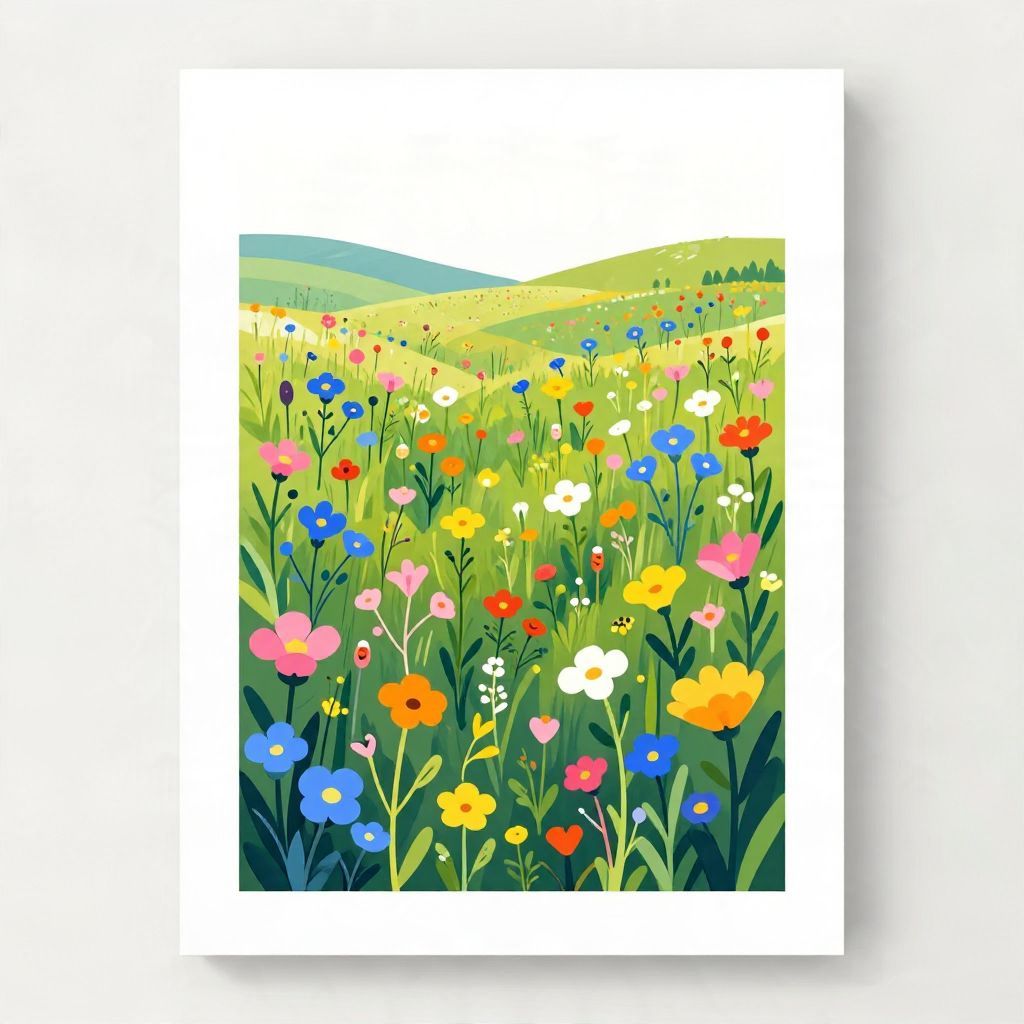
If you’re searching for Where The Wildflowers Grow, you may be looking for a book title, a thematic reading guide, or a story connected to nature, memory, and growth. Because titles can overlap across different works and editions, the safest way to approach it is by focusing on the literary meaning the phrase suggests and the kinds of books it usually points readers toward.
This article gives a clear, reader-friendly explanation of Where The Wildflowers Grow as a literary keyword: what it implies, how to read it as a title, and what themes and techniques are commonly associated with books that use this kind of imagery.
What is Where The Wildflowers Grow about?
Where The Wildflowers Grow is best understood as a nature-inflected title that usually signals a story or reflective work about resilience, transformation, memory, or healing. When a book uses wildflowers as its central image, it often points to growth in unexpected places, emotional survival, and the beauty of what is untamed or overlooked.
Why this title matters in literary terms
Wildflowers are a powerful symbol in literature because they suggest life that persists without careful cultivation. Unlike formal garden flowers, they grow where conditions allow, which makes them useful for stories about endurance, freedom, and quiet strength.
Common symbolic meanings
- Resilience — thriving despite hardship or neglect.
- Natural beauty — beauty that is unforced or imperfect.
- Freedom — growth outside strict control or expectation.
- Memory — landscapes that preserve personal or family history.
- Hope — the possibility of renewal after loss.
Because of that symbolism, a title like Where The Wildflowers Grow often prepares readers for a lyrical, emotionally grounded book rather than a plot driven by action alone.
How to interpret the title as a reader
Even without relying on a specific plot summary, the title itself gives clues about tone and subject matter. It suggests a setting in which nature is not just background scenery but part of the book’s emotional language.
What the phrase may hint at
- A rural or landscape-centered setting.
- A narrative shaped by seasons, land, or memory.
- A character learning to grow after difficulty.
- A reflective or poetic writing style.
If you are trying to identify a particular edition or author, it helps to check the subtitle, publisher, or series information, since similar titles can appear in different genres, including fiction, poetry, children’s literature, and inspirational nonfiction.
Likely themes associated with books using this title
Titles built around flowers and landscape imagery often carry thematic depth. In literary analysis, Where The Wildflowers Grow can be read through a few recurring themes that appear in many nature-centered books.
1. Growth after hardship
Wildflowers often emerge in places that seem unlikely to support life. That makes them a fitting metaphor for people recovering from grief, displacement, family conflict, or personal change.
2. The relationship between people and place
Books with this kind of title often treat the environment as emotionally meaningful. Fields, roadsides, gardens, and open land can mirror inner states or preserve family memory.
3. Innocence and experience
Wildflowers can also suggest a contrast between childhood openness and adult awareness. In that reading, the title may point to a coming-of-age journey or a return to earlier memories.
4. Belonging and rootedness
Because wildflowers grow where they are, they can symbolize a search for home or acceptance. This is especially common in stories about identity, inheritance, or finding one’s place in the world.
What kind of writing style does this title suggest?
A book called Where The Wildflowers Grow often implies a style that is descriptive, atmospheric, and emotionally attentive. The title itself sounds lyrical, so readers may expect figurative language, sensory detail, and a close connection between setting and feeling.
Literary techniques often used in similar works
- Imagery — especially visual and seasonal description.
- Symbolism — flowers, fields, weather, and soil as emotional markers.
- Motif — repeated references to nature or growth.
- Contrast — cultivated versus wild, loss versus renewal, silence versus expression.
- Tone — reflective, tender, wistful, or hopeful.
In many cases, the title works almost like a miniature thesis statement: it tells you the book will care about what grows naturally, what survives, and what becomes beautiful without being controlled.
How to read a book with this title closely
If you are reading Where The Wildflowers Grow for school, book club, or personal interest, focus on how the title’s imagery appears throughout the text. The most useful questions are often the simplest ones.
Questions to ask while reading
- What does “wildflower” mean in this book: literal plant, metaphor, or both?
- Who or what is being compared to something wild and free?
- Does the setting change as the characters change?
- Is growth portrayed as gentle, painful, seasonal, or uncertain?
- Does the book suggest that beauty can exist outside order and control?
These questions help you move from plot-level reading to interpretation, which is especially useful when a title is symbolic rather than straightforward.
Possible genre expectations
Because the title is so evocative, it may appear in several genres. Without a confirmed author or edition, it is best not to assume a single category, but books with this kind of title often fall into one of the following:
- Literary fiction with a strong sense of place.
- Memoir or personal essay focused on healing and memory.
- Poetry or poetic prose centered on nature.
- Children’s or middle-grade fiction with gentle symbolism.
- Inspirational nonfiction about resilience, faith, or renewal.
That flexibility is part of the title’s appeal. It is broad enough to invite reflection, but specific enough to create an immediate emotional atmosphere.
How it compares to similar nature-based titles
Readers who are drawn to Where The Wildflowers Grow often enjoy books with titles that use landscape as metaphor. These works tend to value mood, memory, and emotional honesty over fast pacing.
What readers often look for next
- Stories about home, loss, and return.
- Books with rural settings or strong seasonal imagery.
- Reflective narratives about family and identity.
- Poetic titles that suggest hidden meaning.
If that is the appeal for you, the title may function less as a literal location and more as a promise of emotional terrain: a place where growth is possible, but not always neat or predictable.
Reading order and identification tips
If you came here because you want the exact book, the most practical step is to verify the author name, subtitle, or series context. Since titles can be reused, a search by title alone may bring up more than one work.
What to check first
- The full title as printed on the cover.
- The author’s name.
- The publisher and publication format.
- Any series number or subtitle.
- Library or bookstore metadata, if available.
That information will help you determine whether you are looking for fiction, nonfiction, poetry, or a different kind of literary work entirely.
Who might enjoy a book with this title?
Where The Wildflowers Grow will likely appeal to readers who enjoy emotionally resonant books with a strong sense of atmosphere. It is a good fit for people who appreciate nature imagery, quiet introspection, and stories that connect inner life with the physical world.
Best fit for readers who like
- lyrical prose
- symbolic titles
- healing and transformation narratives
- landscape-rich storytelling
- gentle, reflective literary themes
It may be less appealing to readers who want highly plot-driven fiction with constant twists, since titles like this often promise mood and meaning more than suspense.
Final takeaway
Where The Wildflowers Grow is a title that usually signals more than a place. It points to resilience, natural beauty, and the idea that growth can happen in overlooked or difficult ground. If you are approaching it as a literary text, read the title as a symbol first and a location second.
For more title-based literary guides, you might also enjoy Where the Deer and the Antelope Play and Where the Lost Wander.