Are you looking for a clear explanation of How I Met My Monster and wondering what makes this picture book memorable? This summary and review covers the story’s premise, major themes, character dynamics, and the gentle humor that helps it resonate with young readers.
It is a playful, slightly spooky story about fear, imagination, and the surprising ways children can take control of bedtime worries. If you want a spoiler-light overview with a thoughtful reading of its message, you’re in the right place.
What is How I Met My Monster about?
How I Met My Monster is a children’s picture book that turns the classic “monster under the bed” idea into a funny, reassuring story about a child facing nighttime fears. Rather than treating monsters as purely terrifying, the book uses them to explore imagination, courage, and the way children make sense of things that seem scary in the dark.
Book summary: the premise and story shape
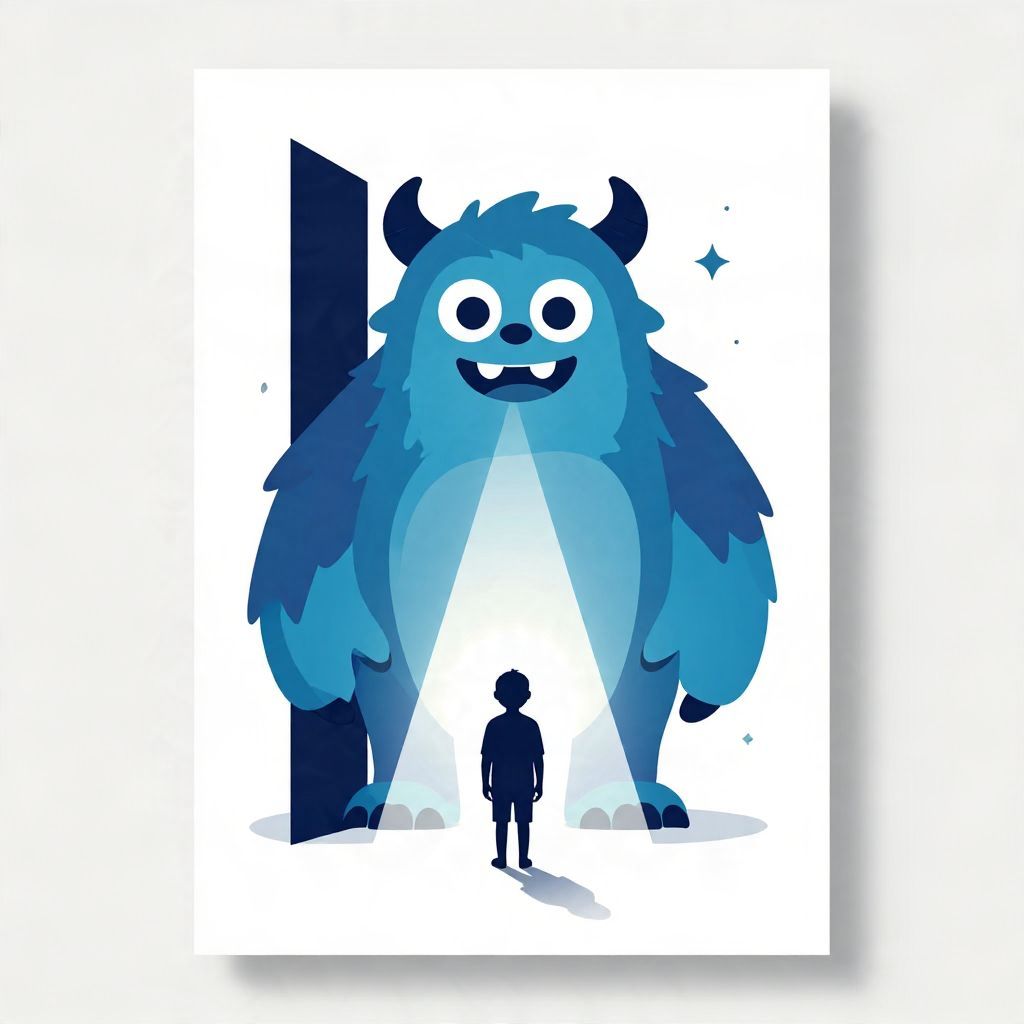
The story centers on a child who encounters a monster at bedtime and discovers that the creature is not exactly what the child expected. The setup plays with the familiar fear of monsters, but the book quickly shifts from dread to curiosity, creating a tone that is more comic than frightening.
As the story unfolds, the child and monster interact in a way that softens the usual “monster story” formula. The plot is built around discovery rather than danger, so the emotional movement comes from the child’s changing perception: what first seems threatening becomes manageable, even amusing.
Why the premise works for young readers
- It uses a recognizable childhood fear.
- It offers a safe, humorous way to explore that fear.
- It invites children to rethink what they assume about monsters.
- It supports bedtime reading by ending on a reassuring note.
Who are the main characters?
The book’s character list is intentionally simple, which is a strength in picture-book storytelling. The child is the emotional center, and the monster functions both as a source of suspense and as a comic partner in the story’s reversal of expectations.
The child
The child’s perspective shapes the entire book. Readers experience the monster first through the child’s fear, then through growing curiosity and eventual understanding. That shift gives the story its emotional arc.
The monster
The monster is not just a villain or a trickster. The character is designed to be a little eerie at first, but ultimately approachable, which helps the book balance spooky fun with comfort.
Themes in How I Met My Monster
Although the story is short, it touches on several meaningful themes that make it useful for reading aloud and classroom discussion. Its appeal comes from the way it handles serious feelings through playful storytelling.
Fear and reassurance
The most obvious theme is fear of the unknown, especially nighttime fear. The book does not dismiss that fear; instead, it acknowledges it and then gently reduces it through humor and familiarity.
Imagination
Imagination is central to the book’s power. Monsters are products of imaginative thinking, but the story also shows imagination as a tool for reinterpreting what seems frightening.
Empathy and understanding
By allowing the child and monster to interact, the book suggests that first impressions can be misleading. That creates a subtle lesson in empathy: what looks scary may have a different story behind it.
Courage
The child’s bravery is not loud or dramatic. It appears in the willingness to look closer, ask questions, and keep going even when something feels unsettling.
Literary style and techniques
How I Met My Monster uses picture-book techniques that are especially effective for younger audiences. The language is likely to be concise and rhythmic, while the illustrations do much of the emotional work, especially in a story built around suspense and surprise.
Repetition and buildup
Picture books often rely on repetition to create anticipation, and this story’s monster premise naturally supports that structure. Repeated moments of tension make the eventual shift toward humor more satisfying.
Visual storytelling
In a monster story, illustrations are essential. Facial expressions, body language, and the contrast between dark, spooky settings and comic details help shape the reader’s response as much as the text does.
Tone: spooky but safe
The book’s tone is a careful blend of eerie and playful. That balance is important because it allows children to enjoy the thrill of a monster story without being overwhelmed by it.
What makes the book appealing?
Part of the book’s charm is that it understands how children actually experience scary stories. Young readers often want the excitement of a monster tale, but they also want the comfort of knowing they are safe. This book delivers both.
- For children: it offers a fun, manageable scare.
- For parents and caregivers: it can open conversations about bedtime fears.
- For teachers and librarians: it works well as a read-aloud with discussion potential.
Interpretation: what the story may be saying
At a deeper level, How I Met My Monster suggests that fear often grows in the imagination before it meets reality. The child’s encounter with the monster becomes a small lesson in perspective: once the unknown is faced directly, it may become less frightening.
The story may also be read as a reminder that children do not simply “outgrow” fear; they learn to live with it by naming it, understanding it, and sometimes laughing at it. That makes the book emotionally useful, not just entertaining.
How it compares to other children’s monster books
If you enjoy monster stories that are more playful than scary, this book fits comfortably alongside other picture books that soften fear through humor and affection. It is especially suited to readers who like stories where the monster is not the enemy but part of the joke, the lesson, or the surprise.
Compared with darker monster tales, this book is less about suspense and more about emotional reassurance. Compared with purely silly monster books, it has a little more heart because it starts from a real childhood worry.
Who should read How I Met My Monster?
This is a strong choice for early readers, bedtime reading, and adults looking for a story that helps children talk about fear in a light, accessible way. It is especially good for children who enjoy a mild thrill but still want a comforting ending.
Best for readers who enjoy:
- monster stories with humor
- bedtime books with reassurance
- picture books about emotions
- stories that turn fear into curiosity
Review: strengths and overall impression
How I Met My Monster succeeds because it knows exactly what kind of story it is. It does not try to be genuinely terrifying, and it does not become overly sentimental. Instead, it uses a familiar childhood fear as the basis for a clever, warm, and approachable read.
Its greatest strength is probably its emotional balance. The book respects a child’s fear while also showing that fear can be handled with imagination, humor, and a little courage. That makes it useful as both a story and a conversation starter.
If there is a limitation, it is that readers looking for a complex plot or layered character development will not find that here. But for a picture book, simplicity is part of the design. The story’s brevity works in its favor because it keeps the focus on mood, message, and visual charm.
Final takeaway
How I Met My Monster is a smart, child-friendly monster story that turns nighttime fear into something funny and manageable. If you want a picture book that combines gentle suspense with reassurance, it is an easy recommendation.
For more book-related reading, you may also enjoy how to find inspiration for writing and what the beast in Lord of the Flies means.