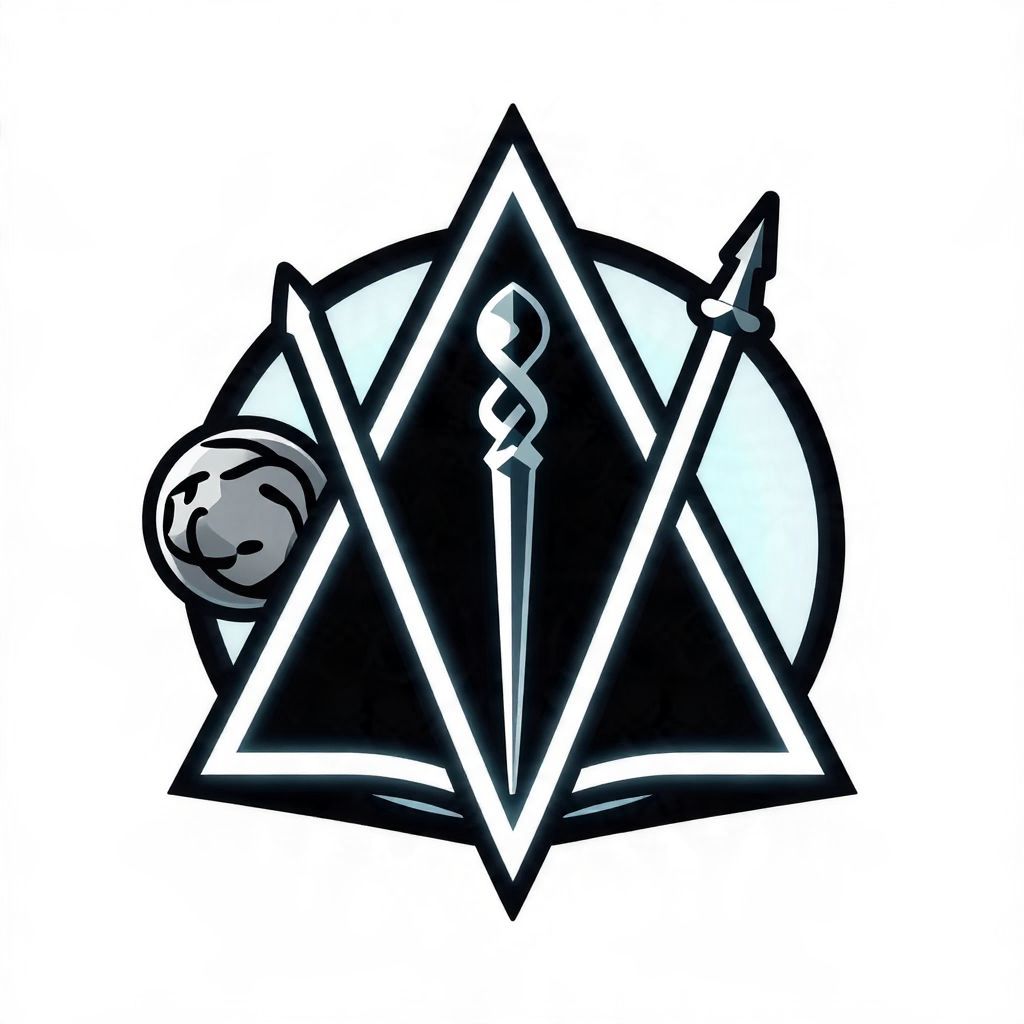
If you’ve heard the phrase “the Deathly Hallows” and want to know what it means in Harry Potter, the answer is both simple and layered. In J.K. Rowling’s series, the Deathly Hallows are three legendary magical objects tied to the story’s final book and to ideas about power, death, and the desire to master fear.
They are not just plot devices. Rowling uses them to contrast two ways of facing mortality: seeking control over death, or accepting it as part of life. That makes the Hallows one of the series’ most important symbols.
What are the Deathly Hallows in Harry Potter?
The Deathly Hallows are the Elder Wand, the Resurrection Stone, and the Invisibility Cloak. According to wizarding legend, each was given to one of three brothers by Death itself, and together they represent extraordinary magical power, the temptation to reverse loss, and the possibility of hiding from death.
The three Deathly Hallows explained
The Elder Wand
The Elder Wand is the most powerful wand in the wizarding world, but its power comes with instability. It changes allegiance through defeat, which means its owner is never fully secure in controlling it.
As a literary symbol, the wand reflects the danger of power built on domination. It promises mastery, but that promise is fragile and often destructive.
The Resurrection Stone
The Resurrection Stone is said to summon the shades or echoes of the dead. It does not truly restore life, which is an important distinction in the series.
Its meaning is emotional rather than practical: it speaks to grief, longing, and the human wish to undo death. Rowling presents that wish with sympathy, but also with caution.
The Invisibility Cloak
The Invisibility Cloak allows the wearer to become hidden from sight. Unlike the other two Hallows, it is not primarily about conquest or resurrection, but about protection and restraint.
In the story, it is the most balanced of the three objects. It can be used wisely, and it does not depend on harming others or denying death.
Where do the Deathly Hallows come from?
The Hallows appear in the wizarding tale of the Peverell brothers, a story embedded within the larger narrative. Whether the legend is literally true or partly mythic, Rowling uses it like a fairy tale inside the novel: a compact moral story that shapes the book’s larger conflict.
This layered storytelling matters. The legend feels ancient and folkloric, but the novel treats it as something characters can interpret in different ways, which keeps the symbol open to analysis.
Why are the Deathly Hallows important to the story?
The Hallows matter because they sit at the center of the final book’s moral argument. Some characters see them as objects to collect, while others see them as clues to a deeper lesson about death, sacrifice, and humility.
The title Harry Potter and the Deathly Hallows signals that the book is not only about a quest, but also about competing philosophies. The Hallows are linked to Voldemort’s obsession with conquering death, yet they ultimately point toward a different kind of strength.
Hallows versus Horcruxes
Readers often compare the Hallows with the Horcruxes because both are tied to immortality, but they function very differently. Horcruxes are fragments of a soul hidden to avoid death; the Hallows are objects associated with legendary mastery over death.
One path is rooted in fear and fragmentation, while the other is rooted in myth, choice, and acceptance. That contrast is one of the novel’s strongest thematic structures.
What themes do the Deathly Hallows represent?
- Death and acceptance: The story asks whether death can be defeated, denied, or understood.
- Power and temptation: Each Hallow offers a different kind of desire, from control to reunion to concealment.
- Grief and memory: The Resurrection Stone especially reflects the pain of loss and the limits of memory.
- Humility: The Invisibility Cloak suggests that not all power comes from domination.
- Choice: Characters are defined less by the objects themselves than by how they respond to them.
How do the Deathly Hallows function as literary symbols?
As symbols, the Hallows work on several levels at once. They are magical artifacts, but they also resemble a moral allegory: one object represents domination, one represents longing, and one represents protective restraint.
Rowling also uses them to blend fantasy with folklore. The legend of the three brothers has the shape of a traditional cautionary tale, which gives the novel a story-within-a-story structure and deepens its fairy-tale atmosphere.
Fairy tale and mythic structure
The Hallows legend feels like the kind of tale that gets passed down, altered, and interpreted over time. That gives it a mythic quality, while also allowing the novel to question whether legends should be taken literally or read symbolically.
This ambiguity is part of the book’s literary richness. The Hallows are real within the story, but their meaning is not fixed.
What do the Deathly Hallows mean for Harry?
For Harry, the Hallows are not simply powerful objects to collect. They become part of his understanding of loss, inheritance, and responsibility.
He is connected to the Invisibility Cloak from the beginning of the series, which makes the final revelation feel less like a new gimmick and more like the completion of a pattern already present in the books. The Cloak’s significance grows because it fits Harry’s character: it protects without corrupting.
How the Deathly Hallows shape the final book
The final novel uses the Hallows to complicate the central quest. Characters are not only searching for Voldemort’s hidden pieces of soul; they are also confronting a legend that seems to offer another route to power.
That dual structure gives the book tension and depth. The reader is invited to ask not just what the characters want, but what kind of life they believe is worth choosing.
Spoiler note
Without dwelling on every major event, it is safe to say that the Hallows become crucial to the ending because they force Harry to decide what matters more: magical supremacy, reunion with the dead, or the ability to keep going without either illusion.
Are the Deathly Hallows a real literary concept outside Harry Potter?
Outside Rowling’s series, the phrase is not a standard term in literary studies. However, the idea of three symbolic objects tied to death, power, and inheritance fits long-standing traditions in folklore, myth, and fantasy literature.
That is part of why the concept resonates so strongly. It feels ancient even though it is modern, because it draws on familiar narrative patterns: quests, sacred relics, moral tests, and the limits of human control.
Why readers still ask what the Deathly Hallows are
People keep asking because the term is both specific and symbolic. On the surface, it refers to three magical objects in a popular fantasy series. At a deeper level, it names the book’s central meditation on mortality and the stories people tell to make sense of it.
If you are reading the series for the first time, the Hallows are worth paying attention to because they help explain the emotional architecture of the final book. They show that the ending is not only about winning a battle, but about learning how to live with loss.
For a related look at the series’ darker magical objects, see what the seven Horcruxes were, or explore the character history behind how old Voldemort is.